
Complete the form to schedule a free consultation with a traffic lawyer
What Is the One Two Five Drinking Rule Under State DUI Guidance
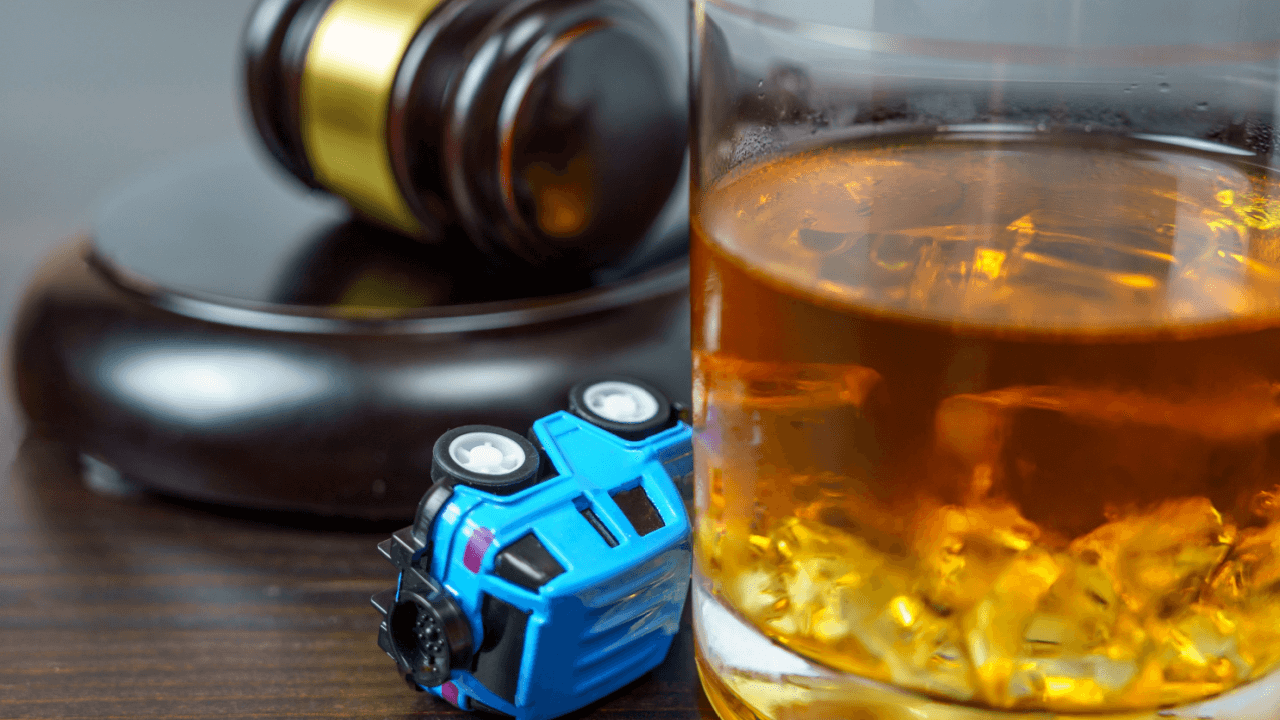
Violation Terms Explained: What Is the One Two Five Drinking Rule Under State DUI Guidance
If you’re facing DUI charges or trying to understand alcohol-related driving laws, the one two five drinking rule represents a common estimation method law enforcement and prosecutors reference. This guideline suggests one standard drink (12 oz beer, 5 oz wine, 1.5 oz spirits) increases BAC by approximately 0.02%, takes two hours to metabolize, and requires five hours for complete elimination from your system.
However, this rule oversimplifies complex biochemistry. DUI defense attorneys frequently challenge evidence based on these assumptions because individual metabolism varies dramatically. Your actual BAC depends on body weight, biological sex, liver function, food intake, medication use, and drinking pace. Courts recognize approximately 30% variance in alcohol metabolism rates between individuals, making generic calculations unreliable for determining actual impairment or legal blood alcohol levels during traffic stops.
How Metabolism Guidelines Impact DUI Cases
Individual Variation Challenges Standardized Rules
DUI prosecutors often apply the one two five drinking rule to establish timeline evidence, but defense attorneys exploit its limitations. A 120-pound woman metabolizes alcohol differently than a 200-pound man, yet standardized field sobriety tests and breathalyzer calibrations don’t account for these differences. Studies show women typically reach higher BAC levels than men after consuming identical amounts, with metabolism rates varying 25-40% based on biological factors.
Timing and Rising BAC Defense Strategies
The two-hour metabolism component creates crucial defense opportunities. Your BAC may still be rising when officers conduct roadside testing, meaning you were below the 0.08% legal limit while actually driving but exceeded it during the traffic stop. This “rising BAC defense” has successfully dismissed thousands of DUI charges nationwide. Defense attorneys use retrograde extrapolation experts to prove your BAC was legal at the time of driving, not when tested 30-90 minutes later at the station.
Food, Medications, and Environmental Factors
The five-hour elimination window assumes optimal conditions that rarely exist in real-world scenarios. Food consumption slows alcohol absorption by 40-50%, potentially keeping you below legal limits longer. Conversely, certain medications accelerate impairment symptoms without raising actual BAC. Diabetes, GERD, and specific diets can produce acetone that breathalyzers misread as alcohol, creating false positives. Experienced DUI attorneys subpoena medical records and challenge breathalyzer accuracy when these factors apply.
Challenging Generic Alcohol Calculations
Scientific Limitations of Standardized Rules
The one two five drinking rule under state DUI guidance lacks scientific precision for individual cases. Traffic courts increasingly recognize that biochemical individuality makes universal alcohol metabolism formulas unreliable. Defense experts testify that accurate BAC determination requires individualized analysis considering dozens of physiological variables. Approximately 23% of DUI convictions involve flawed BAC evidence based on overgeneralized metabolism assumptions.
Field Sobriety Test Reliability Issues
Officers applying generic alcohol guidelines during DUI investigations frequently misinterpret impairment signs. Medical conditions, fatigue, anxiety, and uneven pavement affect field sobriety test performance independently of alcohol consumption. Studies reveal field sobriety tests produce false positives in 30-35% of administrations. Defense attorneys challenge probable cause for DUI arrests when officers relied solely on subjective observations and standardized metabolism assumptions rather than individualized assessment.
Breathalyzer Calibration and Maintenance Defenses
The two-hour metabolism estimate influences breathalyzer testing protocols, but these devices require precise calibration and maintenance. Defense attorneys routinely request calibration records, maintenance logs, and operator training certifications. Approximately 15% of breathalyzer results contain errors from improper maintenance, expired calibration, or operator mistakes. When prosecution evidence depends on the one two five drinking rule combined with faulty breathalyzer readings, dismissal becomes significantly more achievable through aggressive defense challenges.
Protecting Your Rights During DUI Investigations
Police cannot legally extend traffic stops beyond reasonable investigation time. If officers detained you excessively while waiting for breathalyzer results based on assumed metabolism timing, defense attorneys can file suppression motions. Constitutional protections against unreasonable seizure apply to DUI investigations. Approximately 40% of DUI charges involve some procedural violation exploitable by skilled traffic defense lawyers.
Refusing field sobriety tests isn’t automatically incriminating. While implied consent laws require chemical testing, roadside sobriety exercises remain voluntary in most jurisdictions. Understanding your rights prevents officers from building stronger cases using subjective observations influenced by generic alcohol metabolism assumptions. However, refusal consequences vary by state, requiring immediate attorney consultation.
What Is the One Two Five Drinking Rule Under State DUI Guidance for Your Defense
DUI charges carry severe penalties including license suspension, substantial fines, increased insurance costs, and potential jail time. First-offense DUI convictions typically involve $5,000-$10,000 total costs, 6-12 month license suspensions, and mandatory alcohol education programs. Understanding how the one two five drinking rule affects your case helps you recognize defense opportunities prosecutors hope you’ll miss.
Expert DUI attorneys analyze arrest circumstances, chemical test administration, and individual metabolism factors to identify weaknesses in prosecution evidence. Successful defenses often combine scientific BAC challenges with procedural violations. Don’t accept generic alcohol metabolism guidelines as definitive proof of impairment when individual factors tell a different story.
What Is the One Two Five Drinking Rule Under State DUI Guidance Legal Support
If you’re facing DUI charges, connect with a qualified attorney through a free traffic ticket consultation to discuss your case specifics. Understanding your state DUI laws is critical, as penalties and defense strategies vary significantly by jurisdiction. Specialized DUI defense attorneys can challenge prosecution evidence, question breathalyzer calibration records, and protect your driving privileges when it matters most. Traffic attorneys looking to expand their caseload can benefit from exclusive traffic ticket leads that connect them directly with potential clients. In the competitive DUI defense market, having access to qualified leads means reaching drivers at the critical moment when they’re actively seeking legal representation.
Frequently Asked Questions
1. Does the one two five drinking rule apply equally to everyone facing DUI charges?
No, individual metabolism varies by 25-40% based on weight, biological sex, liver function, and other factors, making standardized rules unreliable for determining actual BAC in specific cases.
2. Can I use the one two five drinking rule to determine if I'm safe to drive?
This guideline provides rough estimates but cannot guarantee legal BAC levels; only chemical testing determines actual blood alcohol concentration, and individual factors cause significant variations.
3. How do defense attorneys challenge DUI charges based on generic alcohol metabolism rules?
Attorneys use retrograde extrapolation experts, subpoena breathalyzer maintenance records, identify rising BAC scenarios, and demonstrate how individual physiological factors invalidate standardized assumptions.
4. What is the rising BAC defense in DUI cases?
This defense proves your BAC was below the legal limit while driving but rose above 0.08% during the delay between the traffic stop and actual chemical testing at the station.
5. How does food consumption affect the one two five drinking rule accuracy?
Food slows alcohol absorption by 40-50%, significantly altering the timeline assumptions underlying the one two five rule and creating defense opportunities when prosecutors rely on standardized calculations.
Key Takeaways
- The one two five drinking rule estimates one drink raises BAC 0.02%, metabolizes over two hours, with five-hour elimination, but individual variation makes it unreliable for specific DUI cases.
- Defense attorneys successfully challenge DUI charges by proving BAC was legal while driving but rose during testing delays, exploiting the two-hour metabolism component.
- Individual factors including weight, biological sex, food consumption, and medications cause 25-40% variance in alcohol metabolism rates, undermining standardized guideline accuracy.
- Breathalyzer calibration errors, field sobriety test reliability issues, and procedural violations provide powerful defense strategies beyond challenging generic metabolism assumptions.
- Immediate attorney consultation maximizes defense opportunities by preserving evidence, identifying constitutional violations, and challenging prosecution’s reliance on overgeneralized alcohol guidelines.
Recent Posts
-
What Is the One Two Five Drinking Rule Under State DUI Guidance
-
How Many Drinks Equal the Legal Limit Under State DUI Laws
-
Is DUI Treated as a Felony Under Some State Laws
-
Which States Do Not Allow DUI Checkpoints and How This Protects Your Rights
-
What States Have DUI Laws and How They Differ Across the Nation