
Complete the form to schedule a free consultation with a traffic lawyer
What Is Careless Driving? A Complete Legal Defense Guide for Drivers
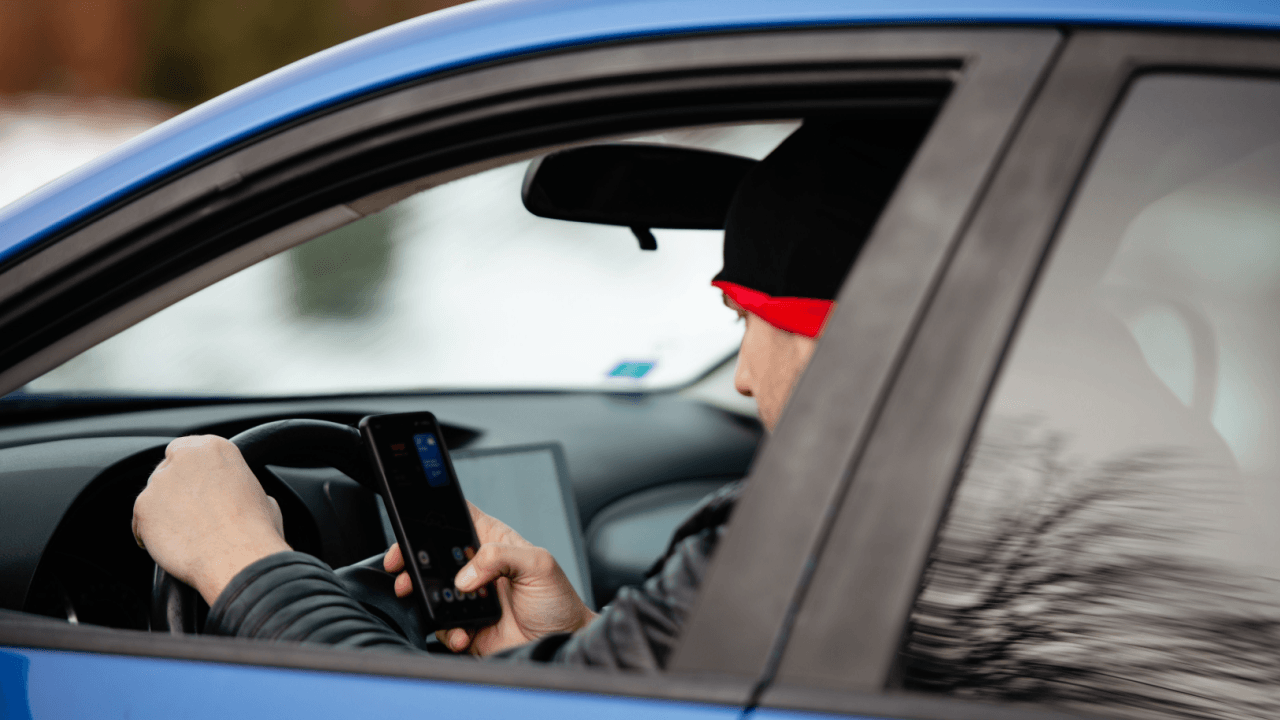
Violation Terms Explained: What Is Careless Driving Under Traffic Law?
Understanding what careless driving means is the first step to protecting your driving record. It also helps you navigate the legal process with confidence. Careless driving is a traffic violation recognized across most U.S. states. It generally means operating a vehicle without the care a reasonable person would exercise under similar circumstances. Unlike more severe charges, careless driving does not typically require proof of willful or wanton disregard for others — but that does not mean it carries minor consequences. A careless driving charge can affect several parts of your life. These include license points and insurance consequences. Understanding the legal landscape helps you respond appropriately.
Careless driving charges appear on citations when an officer observes unsafe driving behavior. This can happen even if no accident occurred. Common triggering behaviors include following too closely, drifting between lanes, failing to maintain attention, or operating a vehicle while distracted. The charge sits between a basic moving violation and reckless driving. This gives prosecutors and courts flexibility when handling borderline road behavior.
Careless driving definitions vary by state statute. As a result, the elements a prosecutor must prove differ by jurisdiction. Defense strategies also vary. Some states treat it as a misdemeanor traffic offense, while others classify it as a civil infraction. This distinction affects the legal process you may face. It also influences the type of legal representation that may be most helpful.
Key Legal Concepts: How Careless Driving Differs From Reckless Driving
One key legal distinction involves careless driving and reckless driving. Defendants should understand the difference. These two charges are often confused, but they carry meaningfully different legal standards and potential consequences.
Careless Driving vs. Reckless Driving: Core Legal Standards
Reckless driving requires prosecutors to prove that a driver acted with willful or wanton disregard for the safety of others. This is a higher legal bar that implies the driver was consciously aware their behavior posed a risk and chose to continue anyway. Careless driving, by contrast, requires only that the driver failed to exercise reasonable care — an objective standard based on what a responsible driver would have done in the same situation.
Traffic Misdemeanor vs. Civil Infraction
In many jurisdictions, prosecutors charge reckless driving as a criminal traffic misdemeanor. This means the offense can appear on a criminal record and carry more serious consequences. Careless driving is more commonly treated as a civil traffic infraction, though some states elevate it to misdemeanor status, particularly when the behavior results in bodily injury or property damage. First determine which category applies to your citation. This step is important before deciding how to respond.
Comparison Table: Careless Driving vs. Reckless Driving
Factor | Careless Driving | Reckless Driving |
Legal Standard | Failure to exercise reasonable care | |
Intent Required | No | Yes (conscious disregard) |
Classification | Often civil infraction | Often traffic misdemeanor |
License Points | Varies by state | Higher points typically assessed |
Criminal Record Impact | Usually none | Possible in many states |
Defense Complexity | Moderate | Higher — criminal defense considerations |
This comparison matters because defendants sometimes face a situation where a reckless driving charge is reduced to a careless driving charge through negotiation or plea discussion. Understanding where these charges stand relative to each other helps you evaluate your legal options.
Traffic Law Fundamentals: What Is Careless Driving in Your State?
The U.S. has no single unified traffic code. As a result, careless driving may be defined differently across state lines. Most states base their careless driving statutes on a “reasonable person” standard, but the specific language, penalty tiers, and court procedures vary significantly.
State-by-State Statutory Variations
Some states define careless driving as operating a vehicle “carelessly or without due caution.” Others specify that the driver must have endangered or been likely to endanger persons or property. A small number of states do not use the term “careless driving” at all, instead folding similar conduct under inattentive driving, negligent driving, or improper driving statutes. When you receive a careless driving citation, the specific statutory language on your citation identifies which definition applies in your jurisdiction.
How Officers Determine a Careless Driving Charge
In practice, traffic enforcement officers rely on observable behavior. They also consider circumstantial evidence when issuing a careless driving citation. Unlike DUI or DWI charges, which involve chemical testing and standardized field sobriety procedures, careless driving charges rely heavily on officer observation and judgment. This means the officer’s written report and testimony carry significant weight in traffic court — and also means there may be defensible gaps in how the stop and citation were conducted.
When Careless Driving Involves an Accident
If an officer issues a careless driving citation after a traffic accident, the legal complexity increases. Accident-related careless driving citations can involve civil liability issues. They may also trigger insurance disputes. In some states, enhanced charges are possible. Consulting a traffic defense attorney as early as possible following an accident-related citation is strongly advisable.
Detailed Legal Analysis: Careless Driving Penalties and License Points
What is careless driving worth in terms of real-world consequences? The penalties extend far beyond the citation itself. They can affect your driving privileges, insurance status, and financial situation for years.
License Points and Driving Record Impact
Most states use a points-based system to track traffic violations. A careless driving conviction typically adds points to your driving record, with the specific number depending on state law and whether the violation involved aggravating factors such as an accident or injury. Accumulating too many points can trigger administrative penalties. These may include driver improvement courses, license suspension, or even license revocation.
Insurance Consequences of a Careless Driving Conviction
Insurance carriers review driving records during policy renewals and rate adjustments. A careless driving conviction signals elevated risk to underwriters, which can result in rate increases or, in some cases, policy non-renewal. The impact on your insurance profile can extend for multiple years depending on your carrier’s lookback period and your state’s reporting requirements.
Potential Criminal Classification
While many careless driving violations are civil infractions, defendants should be aware that some states classify careless driving as a misdemeanor under specific circumstances. These include situations involving injury, property damage above a certain threshold, or a pattern of prior traffic violations. A misdemeanor traffic conviction carries different implications than a civil infraction, including potential court appearances, fines assessed by a judge, and a record that may appear in background checks.
Aggravating Factors That Escalate Careless Driving Charges
Several factors can cause a careless driving charge to be elevated or accompanied by additional charges:
- Driving under the influence of alcohol or drugs (DUI/DWI) alongside careless driving behavior
- Operating a vehicle in a school zone or near a crosswalk with pedestrians present
- Causing bodily injury or property damage as a result of the careless operation
- Prior history of careless driving, reckless driving, or other moving violations
- Using a handheld device while driving in a state with distracted driving laws
- Speeding in combination with inattentive lane control or following distance violations
Step-by-Step Defense: How to Respond to a Careless Driving Charge
Receiving a careless driving citation does not automatically mean a conviction. How you respond in the days and weeks following the citation has a direct effect on how your case proceeds and what outcomes may be available.
Step 1 — Read Your Citation Carefully
Your citation contains the specific statute under which you were charged, the date and location of the alleged violation, and instructions for how to respond. Note the response deadline. Missing this date can result in a default judgment, additional penalties, or license suspension.
Step 2 — Document Everything You Remember
Write down everything you recall about the circumstances of the stop as soon as possible after receiving the citation. Include road conditions, traffic patterns, weather, time of day, and any interactions with the officer. This documentation can be valuable to an attorney reviewing your case.
Step 3 — Avoid Social Media Posts About the Incident
Any public statements made online about the circumstances of your citation can potentially be used as evidence in traffic court proceedings. Refrain from posting about the incident until after your case is resolved.
Step 4 — Request the Officer’s Report
In many jurisdictions, defendants have the right to request a copy of the traffic stop report and any associated evidence. An attorney can assist you in obtaining this documentation through proper legal channels.
Step 5 — Consult a Traffic Defense Attorney
An experienced traffic defense attorney can review your citation, identify potential defenses, and advise you on whether to contest the charge, pursue a plea reduction, or negotiate for alternatives such as traffic school in lieu of points. TicketVoid connects defendants with qualified traffic attorneys who handle careless driving cases.
Step 6 — Evaluate Your Defense Options
Potential defenses in careless driving cases include challenging the officer’s observations, demonstrating that your driving behavior met the reasonable person standard, presenting evidence that external conditions contributed to the situation, or identifying procedural errors in how the citation was issued.
Step 7 — Appear in Court if Required
If your citation requires a court appearance or if you choose to contest the charge, arrive prepared. An attorney appearing on your behalf can handle procedural requirements and present your defense in a legally structured manner.
Expert Strategy Approaches: Working With a Traffic Defense Attorney on Careless Driving
Legal representation in a careless driving case is not a one-size-fits-all matter. Experienced traffic defense attorneys bring knowledge of local court procedures, prosecutor tendencies, and defense case law that can significantly affect how your case is handled.
What a Traffic Defense Attorney Evaluates
When you consult a traffic attorney about a careless driving charge, they will typically review the statutory definition applicable to your state, the strength of the officer’s observational evidence, your driving history, and any aggravating or mitigating circumstances. This evaluation forms the basis of a defense strategy tailored to your specific situation.
Plea Negotiations in Careless Driving Cases
In jurisdictions where careless driving is a more serious charge, attorneys may negotiate with prosecutors to reduce the charge to a lesser moving violation or a non-moving infraction. This can have meaningful consequences for your license points and insurance record. The availability of plea negotiations depends on local court practices, your driving history, and the specific facts of your case.
Traffic School as a Defense Resolution
Some courts offer drivers the option of completing a state-approved defensive driving or traffic safety course in exchange for dismissal or reduction of the careless driving charge. This option is not available in all jurisdictions or for all defendants, but it is worth exploring with an attorney who is familiar with local court practices.
Take Action Now: What Is Careless Driving Costing Your Future?
A careless driving charge carries consequences that extend well beyond the citation itself. Depending on your state, you may face license points, increased insurance premiums, mandatory court appearances, and in some jurisdictions, misdemeanor classification. Taking this seriously from the start can make a meaningful difference in the outcome.
TicketVoid connects drivers with experienced traffic defense attorneys who understand local laws, court procedures, and available defense strategies. To explore your options at no initial cost, schedule a free consultation and speak with an attorney who handles cases in your jurisdiction. To learn more about the process before you commit, see how it works — from submitting your ticket details to getting matched with qualified legal counsel.
Traffic defense attorneys looking to expand their client base can access exclusive legal leads through Legal Brand Marketing’s lead generation platform.
Frequently Asked Questions
1. What is careless driving and how is it different from a regular speeding ticket?
Careless driving addresses the overall manner a vehicle is operated, not just speed. Unlike a speeding ticket, which cites exceeding a posted limit, careless driving relies on officer judgment that driving fell below a reasonable safety standard.
2. Can a careless driving charge be removed from my driving record?
Record-clearing options vary by state. Some allow expungement or sealing of minor traffic violations after a waiting period, while others offer diversion programs or traffic school. A licensed attorney can explain what options may apply to your case.
3. Is careless driving the same as distracted driving?
No. Distracted driving usually refers to specific prohibited behaviors like phone use or inattention. Careless driving is broader and may include distracted behavior but also covers any operation showing a lack of reasonable care.
4. How does a careless driving conviction affect a commercial driver's license (CDL)?
Commercial drivers face stricter federal and state rules. A careless driving conviction may require federal reporting, add license points, affect employment eligibility, or contribute to disqualification depending on the seriousness of the violation.
5. Should I just pay the careless driving citation and move on?
Paying the citation is usually treated as admitting the violation. This can add points, raise insurance costs, and place a conviction on your record. Consulting a traffic attorney may reveal options like contesting, negotiating reductions, or diversion.
Key Takeaways
- Careless driving is a judgment-based charge that requires an officer to determine your driving fell below a reasonable standard of care — making it more defensible than many drivers assume.
- The distinction between careless driving and reckless driving matters legally, as the two charges carry different intent standards, classifications, and potential consequences for your record.
- State law governs your specific exposure, meaning penalties, license points, and available defenses vary based on where the citation was issued.
- How you respond to a careless driving citation — including whether you contest it, negotiate a reduction, or attend traffic school — can significantly affect your driving record and insurance profile.
- TicketVoid connects defendants with experienced traffic defense attorneys who handle careless driving cases and understand local court procedures, giving you qualified legal guidance from the start.
Recent Posts
-
What Is Considered Careless Driving and How to Fight It
-
What Is Careless Driving? A Complete Legal Defense Guide for Drivers
-
Careless Driving: The Authoritative Legal Defense Guide for Drivers Facing Charges
-
What Is the One Two Five Drinking Rule Under State DUI Guidance
-
How Many Drinks Equal the Legal Limit Under State DUI Laws