
Complete the form to schedule a free consultation with a traffic lawyer
Is It Illegal to Drink and Drive in Every State? Understanding DUI Laws Nationwide
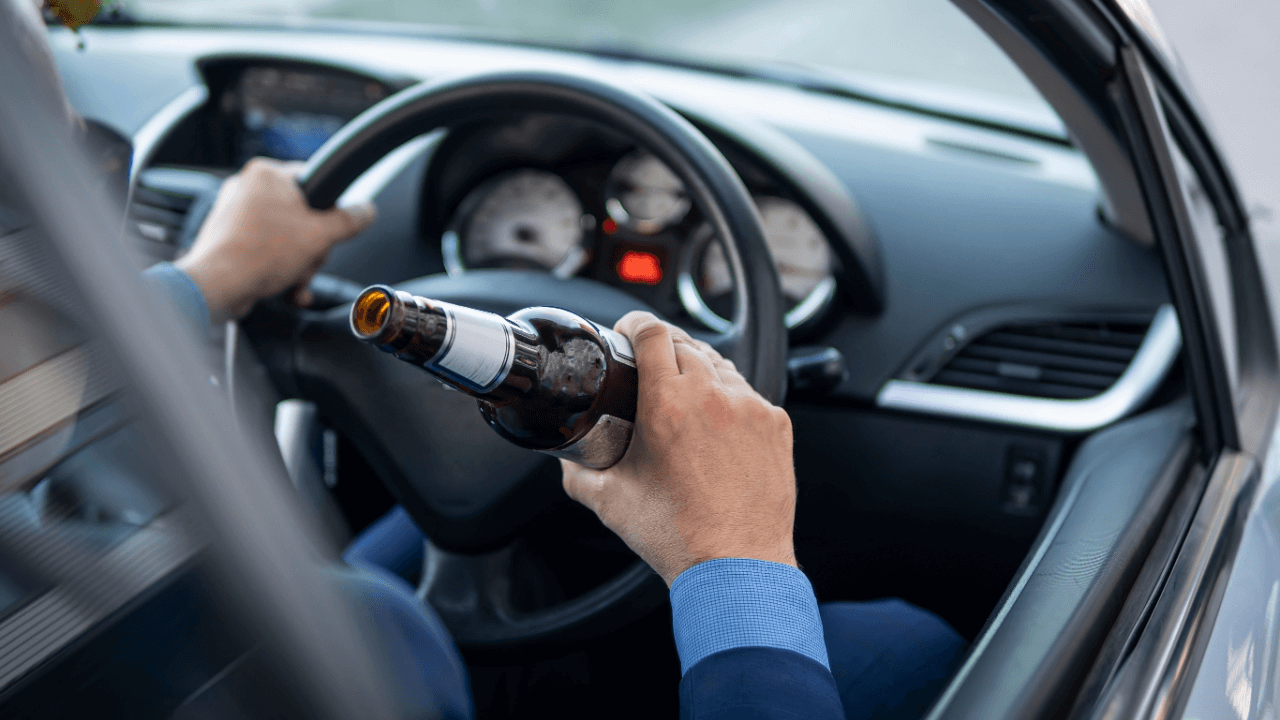
Law Explained: Is It Illegal to Drink and Drive in Every State
Is it illegal to drink and drive in every state? Absolutely. Federal legislation established the nationwide 0.08% BAC standard in 2000, requiring all states to adopt this limit or risk losing federal highway funding. While you can technically consume alcohol before driving, operating a vehicle with a BAC of 0.08% or above constitutes driving under the influence (DUI) or driving while intoxicated (DWI) depending on your state’s terminology.
This uniform threshold exists because impairment significantly increases crash risk. Drivers face immediate arrest when chemical tests reveal illegal BAC levels. However, states can prosecute drivers below 0.08% if officers observe impairment signs during field sobriety tests. Commercial drivers face stricter standards at 0.04% BAC, while zero-tolerance laws prohibit any detectable alcohol for drivers under 21.
State Variation Details: How DUI Laws Differ Despite Federal Standards
While it is illegal to drink and drive in every state at 0.08% BAC, significant differences exist in how states classify offenses and impose consequences. Some states use “DUI” terminology, others prefer “DWI,” “OWI” (operating while intoxicated), or “OUI” (operating under the influence). These variations indicate different legal frameworks and defense strategies.
First-offense penalties vary by state and may include fines and potential jail time. License suspension periods vary from 90 days to one year for initial convictions. Repeat offenders face exponentially harsher punishment, with some states mandating ignition interlock devices after a first offense.
Understanding Per Se Laws and Actual Impairment
Most states enforce “per se” laws, meaning the 0.08% BAC itself proves guilt regardless of observable impairment. Prosecutors don’t need to demonstrate dangerous driving—the chemical test result alone secures conviction. However, officers can arrest drivers below this threshold if they fail field sobriety tests or exhibit clear impairment signs like slurred speech or erratic driving.
This creates complex legal scenarios. You might register 0.06% BAC but still face charges if the officer documents sufficient impairment evidence. Technical errors in breathalyzer calibration or blood test handling can invalidate results even above 0.08%, creating defense opportunities experienced attorneys exploit.
Defense Options: How Attorneys Challenge Drinking and Driving Charges
Is it illegal to drink and drive in every state? Yes, but conviction isn’t automatic. Traffic defense attorneys challenge DUI charges through multiple proven strategies. Chemical test accuracy represents the most common defense angle—breathalyzers require precise calibration and proper administration, while blood tests demand strict chain-of-custody protocols. Equipment malfunctions or procedural violations can render test results inadmissible.
Constitutional defenses focus on traffic stop legality. Officers need reasonable suspicion to initiate stops and probable cause for arrests. If police lacked valid justification, all subsequent evidence may be suppressed. Rising blood alcohol defenses argue your BAC was below 0.08% while driving but increased by testing time, particularly relevant given the 30-90 minute delay between stops and chemical tests.
Medical conditions also provide defense grounds. Acid reflux, diabetes, and certain diets can produce false breathalyzer readings. Attorneys investigate these factors thoroughly, often employing expert witnesses to challenge prosecution evidence. Examining state-specific traffic laws reveals additional defense opportunities based on jurisdictional procedures.
Legal Impact Summary: Why Professional Representation Matters for DUI Charges
Drinking and driving remains illegal in every state with consequences extending far beyond criminal penalties. DUI convictions trigger insurance rate increases averaging 80%, often lasting three to five years. Employment opportunities diminish significantly, especially for positions requiring driving or professional licensing.
Court-ordered alcohol education programs, community service requirements, and probation terms consume substantial time and resources. Ignition interlock device installation and monitoring can involve ongoing costs. These financial burdens accumulate quickly, making early legal intervention crucial.
Attorneys negotiate plea agreements reducing charges to reckless driving offenses, preserving driving privileges and avoiding DUI-specific consequences. They identify procedural errors, challenge evidence validity, and present mitigating circumstances judges consider during sentencing. Attorneys may challenge evidence and raise constitutional or testing issues during a case.
Get Expert Legal Help for Your DUI Charge
Is it illegal to drink and drive in every state? Yes, and the consequences demand immediate professional intervention. Traffic attorneys understand state-specific laws, court procedures, and defense strategies that protect your rights and future. Don’t navigate this complex legal landscape alone—get a free traffic ticket attorney consultation today to explore your defense options and minimize the impact of drinking and driving charges on your life.
Attorneys: Generate exclusive leads from drivers facing DUI charges through Legal Brand Marketing’s traffic ticket lead program.
Frequently Asked Questions
1. Can I drink any alcohol before driving legally?
Yes, you can consume alcohol before driving as long as your BAC remains below 0.08%, though any impairment signs may still result in arrest and charges regardless of your BAC level.
2. Do all states use the same legal limit for drinking and driving?
Yes, all 50 states enforce a 0.08% BAC limit for drivers 21 and over, though commercial drivers face 0.04% limits and drivers under 21 face zero-tolerance standards.
3. What happens if I refuse a breathalyzer test?
Refusal triggers automatic license suspension in all states under implied consent laws, typically lasting 6-12 months for first refusals, and prosecutors can use refusal as consciousness of guilt evidence.
4. Are penalties the same for drinking and driving in every state?
No—while the 0.08% BAC threshold is universal, penalties vary significantly by state, ranging from minor fines and short suspensions to substantial jail time and long-term license revocation.
5. Can I get a DUI charge dismissed?
Yes, attorneys successfully dismiss DUI charges by challenging test accuracy, proving constitutional violations, identifying procedural errors, or demonstrating insufficient evidence for conviction beyond reasonable doubt.
Key Takeaways
- Drinking and driving is illegal in every state at 0.08% BAC or higher, with stricter limits for commercial drivers (0.04%) and zero tolerance for drivers under 21.
- States impose varying DUI penalties despite the federal standard, with first-offense consequences ranging from hundreds to thousands in fines plus license suspension.
- Officers can arrest impaired drivers below 0.08% BAC based on field sobriety test failures or observable impairment signs during traffic stops.
- Defense attorneys challenge drinking and driving charges through chemical test accuracy disputes, constitutional violations, and procedural error identification across all jurisdictions.
- Professional legal representation significantly reduces conviction likelihood and minimizes long-term consequences including insurance increases, employment impacts, and criminal records.
Recent Posts
-
What Is Considered Careless Driving and How to Fight It
-
What Is Careless Driving? A Complete Legal Defense Guide for Drivers
-
Careless Driving: The Authoritative Legal Defense Guide for Drivers Facing Charges
-
What Is the One Two Five Drinking Rule Under State DUI Guidance
-
How Many Drinks Equal the Legal Limit Under State DUI Laws