
Complete the form to schedule a free consultation with a traffic lawyer
Which State Has the Harshest DUI Laws? Expert Legal Guide to America’s Strictest Penalties
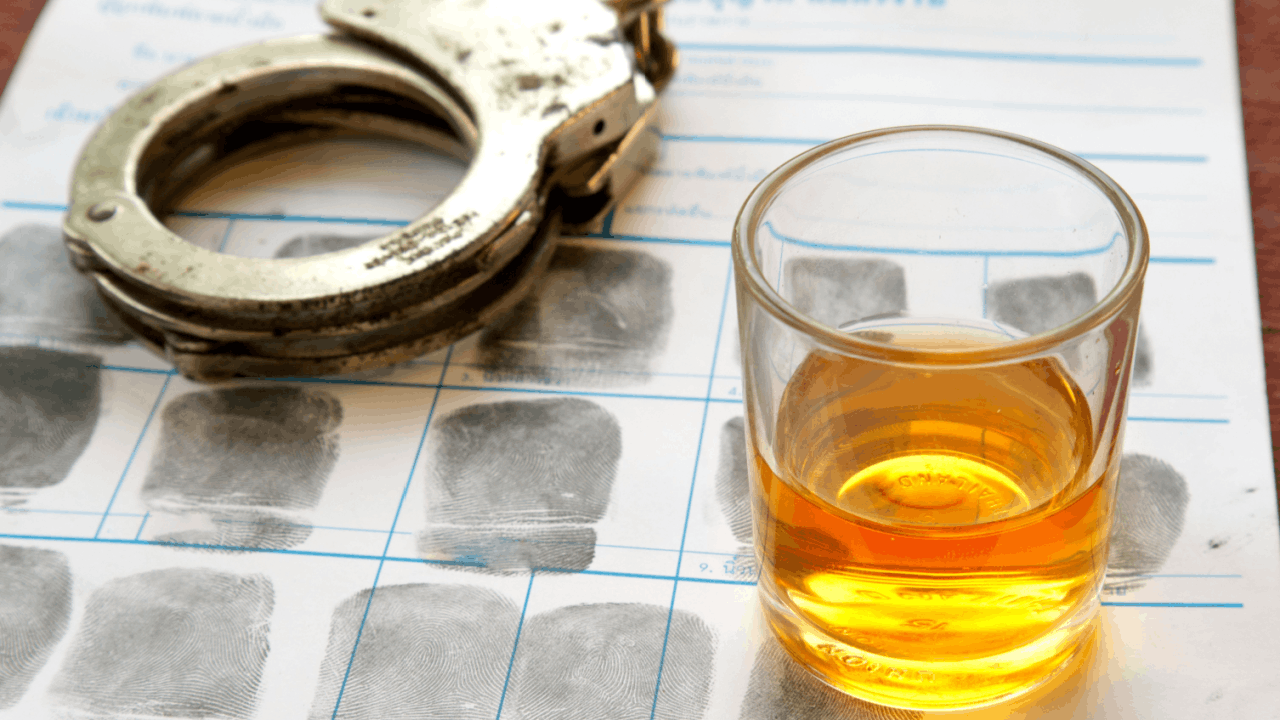
DUI Laws Explained: Which State Has the Harshest DUI Laws
Understanding which state has the harshest DUI laws matters when you’re facing charges, planning to relocate, or traveling across state lines. Arizona’s aggressive DUI enforcement includes mandatory minimum sentences that judges cannot reduce, even for first-time offenders with no prior criminal history. Unlike states offering diversion programs or probation alternatives, Arizona law requires actual jail time plus substantial fines and mandatory alcohol education. The state’s approach reflects decades of tough-on-crime legislation that treats even first DUI offenses as serious criminal violations. Neighboring states like Utah and Georgia also enforce strict penalties, but Arizona’s combination of mandatory incarceration, ignition interlock requirements, and limited plea bargain options creates one of the most restrictive DUI enforcement frameworks. This legal landscape demands immediate attorney consultation to navigate complex defense strategies and minimize life-altering consequences.
State-by-State Comparison in Strictest DUI Penalty Frameworks
Arizona leads the nation with its uncompromising DUI statute that mandates mandatory minimum jail time for first offenses, with substantially increased minimums for repeat convictions. The state requires ignition interlock devices on all vehicles operated by convicted individuals—including first-time offenders—for an extended period. Financial penalties can be substantial once court costs, alcohol screening fees, and interlock installation expenses are included.
Utah follows closely, lowering its legal BAC limit and imposing mandatory minimum jail sentences and two-day mandatory alcohol education programs. Georgia enforces harsh repeat-offender penalties, including vehicle forfeiture for fourth DUI convictions and minimum one-year license suspensions for second offenses. Alaska requires mandatory minimum jail sentences even for first convictions with BAC levels below 0.15%.
These state traffic laws create dramatically different outcomes for identical conduct. A driver with 0.06% BAC may face criminal penalties in Utah while facing different treatment in other states. Understanding jurisdiction-specific enforcement helps defendants anticipate consequences and build appropriate defense strategies.
Mandatory Minimum Sentences Across Jurisdictions
States with mandatory minimum jail requirements eliminate judicial discretion, preventing judges from substituting probation or community service. Arizona, Alaska, Connecticut, and West Virginia all require incarceration for first DUI offenses—no exceptions. Arizona’s minimum represents one of the longest first-offense requirements, while other mandatory-minimum states impose shorter minimum periods.
These inflexible sentencing structures force defendants into jail booking, fingerprinting, and criminal record creation regardless of mitigating circumstances. Employment consequences become immediate, as missing work for mandatory jail time often results in job termination for first-time offenders with otherwise clean records.
Navigating Severe DUI Jurisdictions Successfully
Legal representation becomes critical in strict DUI states where conviction consequences extend far beyond initial penalties. Experienced DUI attorneys challenge evidence through breathalyzer calibration records, field sobriety test administration procedures, and traffic stop legality. In Arizona, attorneys frequently contest reasonable suspicion for the initial stop—if police lacked legal justification for pulling you over, all subsequent evidence becomes inadmissible.
Challenging blood alcohol test accuracy provides another defense avenue. Breath testing devices require regular calibration and maintenance; improperly maintained equipment produces unreliable results. Blood test challenges focus on chain-of-custody documentation, laboratory certification, and sample preservation methods. Even in mandatory minimum states, suppressing BAC evidence can reduce charges to reckless driving with significantly lighter penalties.
Administrative License Hearing Tactics
Most states separate criminal DUI proceedings from administrative driver’s license suspensions. Requesting administrative hearings within 10-15 days of arrest preserves driving privileges during case resolution. These hearings challenge suspension through narrower grounds than criminal trials—focusing solely on whether police had reasonable cause and whether BAC exceeded legal limits.
Winning administrative hearings maintains licenses even if criminal charges proceed. This separation provides strategic advantages: presenting defenses at administrative hearings without revealing criminal trial strategy, or testing prosecution evidence quality before deciding plea negotiations.
Understanding Strict DUI State Penalties
Beyond immediate jail time and fines, harsh DUI states impose lasting consequences that reshape defendants’ lives for years. Arizona requires SR-22 high-risk insurance filings for three years, typically tripling insurance premiums. First-time offenders pay significantly higher insurance premiums over the required filing period.
Professional licensing boards in strict DUI states treat convictions seriously. Healthcare workers, teachers, commercial drivers, and financial professionals face license suspension or revocation. Arizona’s nursing board can deny or restrict licenses for DUI convictions, even first offenses. Commercial driver’s license holders face federal one-year disqualifications for first DUI convictions and lifetime bans for second violations.
Which State Has the Harshest DUI Laws Summary
Arizona’s mandatory jail time, ignition interlock requirements, and permanent criminal records make it America’s strictest DUI jurisdiction. Utah’s 0.05% BAC limit and Georgia’s vehicle forfeiture provisions create similarly harsh frameworks. Understanding these jurisdictional differences helps defendants anticipate consequences and prioritize immediate legal representation. States with mandatory minimum sentences eliminate alternatives to incarceration, making early attorney consultation essential for challenging evidence, negotiating reduced charges, and protecting long-term interests. Geographic location dramatically impacts case outcomes—identical conduct produces vastly different penalties depending on where arrests occur.
Free DUI Attorney Consultation Available Now
Don’t face harsh DUI penalties alone. Connect with experienced DUI defense attorneys who understand jurisdiction-specific laws and proven defense strategies.
For defendants seeking representation: Get your free consultation today and protect your future from severe DUI consequences.
For attorneys: Access exclusive DUI leads and grow your practice helping defendants navigate complex DUI cases. Time-sensitive deadlines require immediate action—administrative hearing requests and defense strategy development cannot wait.
Frequently Asked Questions
1. Which state has the lowest BAC limit for DUI?
Utah enforces America’s strictest BAC limit at 0.05%, significantly lower than the 0.08% standard in 49 other states, making DUI charges possible after just one or two drinks.
2. Do all states require jail time for first DUI offenses?
No—most states allow probation or suspended sentences for first offenses, but Arizona, Alaska, Connecticut, and West Virginia mandate actual incarceration ranging from 24 hours to 10 days minimum.
3. Can I get a DUI expunged in strict penalty states?
Arizona prohibits DUI expungement entirely, while Utah allows expungement only after completing all sentencing requirements and waiting periods, typically 10 years for first offenses.
4. What is an ignition interlock device requirement?
Ignition interlock devices prevent vehicle operation unless the driver provides an alcohol-free breath sample; Arizona requires installation for minimum 12 months on all vehicles for any DUI conviction.
5. How do multiple DUI offenses affect penalties in harsh states?
Second DUI convictions in Arizona increase mandatory jail time to 90 days minimum, extend license suspensions to one year, and require ignition interlocks for 24 months with enhanced monitoring.
Key Takeaways
- Arizona enforces America’s harshest DUI penalties with mandatory 10-day jail sentences for first offenses and no expungement options.
- Utah’s 0.05% BAC limit creates the nation’s strictest legal threshold, criminalizing conduct legal in all other states.
- Mandatory minimum sentencing eliminates judicial discretion in Arizona, Alaska, Connecticut, and West Virginia for all DUI convictions.
- Ignition interlock requirements in strict states apply to first-time offenders, creating 12-24 month monitoring periods with substantial costs.
- Immediate attorney consultation provides critical defense options through evidence challenges, plea negotiations, and administrative hearing representation.
Recent Posts
-
What Makes a DUI a Felony Under State Law and How to Defend Against Escalated Charges
-
Which States Classify Certain DUIs as Felonies and What Defense Options Exist
-
In What States Is a DUI Considered a Felony and How Classification Affects Your Case
-
Felony vs Misdemeanor DUI Under State Laws: Complete Classification and Penalty Comparison Guide
-
Can You Drink If You Are Riding as a Passenger Under State Law and What Are the Legal Risks