
Complete the form to schedule a free consultation with a traffic lawyer
When Was Drunk Driving Made Illegal in All States: Legal History & Defense
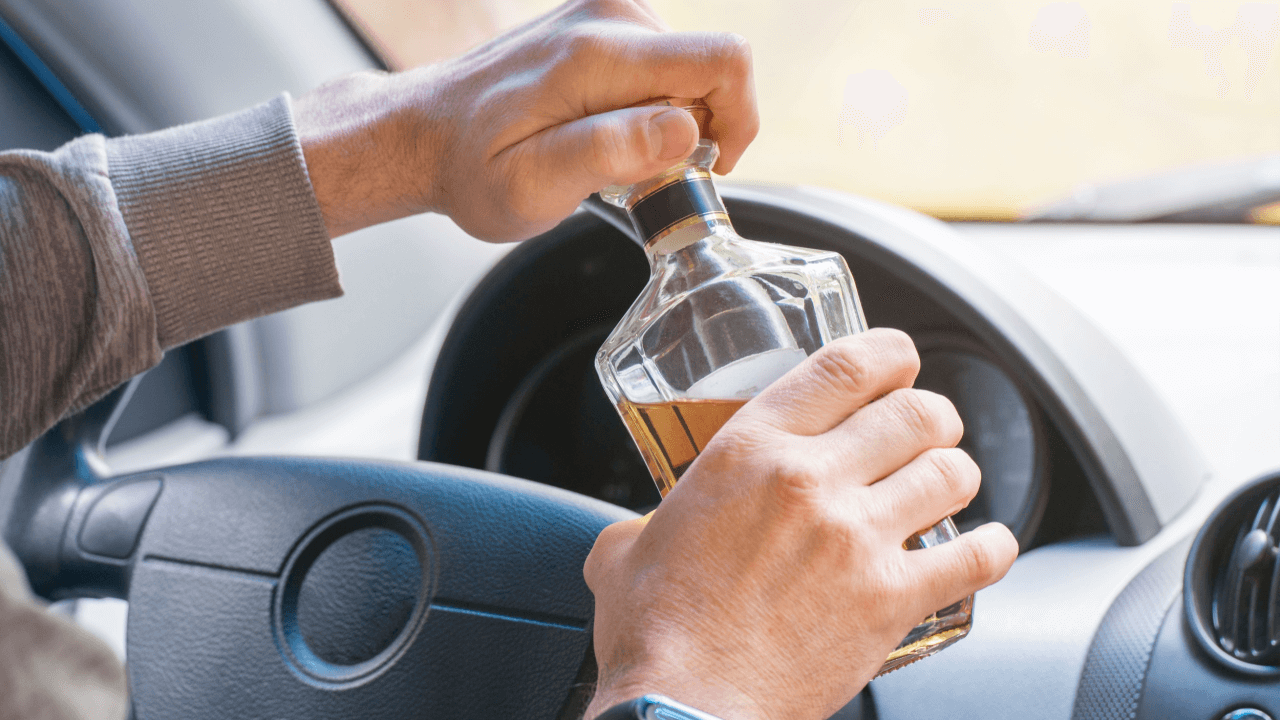
Historical Context Explained: When Was Drunk Driving Made Illegal in All States
Understanding when was drunk driving made illegal in all states requires examining over 90 years of legal evolution. The journey from New York’s pioneering 1910 legislation to today’s standardized enforcement reveals how public safety concerns shaped modern traffic law. While early drunk driving statutes existed, they lacked consistent BAC standards, making prosecution challenging and penalties inconsistent across jurisdictions.
The critical turning point came in 1984 when Congress passed the National Minimum Drinking Age Act, pressuring states to adopt stricter drunk driving laws. By 2000, only 18 states had adopted the 0.08% BAC limit. The final push occurred through the Transportation Equity Act for the 21st Century, which threatened federal highway funding losses for non-compliant states. Delaware became the last state to adopt the 0.08% standard in 2004, completing nationwide uniformity.
Today’s drunk driving laws stem from decades of legislative refinement, creating a complex legal landscape where defendants face mounting challenges without proper representation.
Early Drunk Driving Legislation (1910-1980s)
New York’s 1910 law marked the beginning, but enforcement proved nearly impossible without objective testing methods. California followed in 1911, yet penalties remained minimal—often just small fines. The invention of the breathalyzer in 1953 revolutionized enforcement, providing law enforcement with measurable evidence. Still, BAC limits varied wildly, with some states setting thresholds at 0.15% while others used 0.10%.
The Federal Standardization Push (1984-2004)
Federal intervention changed everything. The 1984 Act was associated with a reported reduction in drunk driving fatalities within five years by encouraging states to raise drinking ages and lower BAC limits. Organizations like Mothers Against Drunk Driving (MADD) successfully lobbied for stricter standards. The 2000 federal mandate requiring 0.08% BAC gave states until 2004 to comply or lose highway funding—a pressure no state could resist economically.
Step-by-Step Defense: When Was Drunk Driving Made Illegal in All States and Current Penalties
Understanding when was drunk driving made illegal in all states helps defendants recognize that today’s DUI laws are extremely sophisticated and unforgiving. Modern charges involve complex legal procedures that require immediate attorney intervention. First-time offenders face significant financial penalties when accounting for court costs, insurance increases, and mandatory education programs.
Current penalties escalate rapidly. First offenses typically result in license suspension ranging from 90 days to one year, depending on state-specific regulations outlined in state traffic laws. Second offenses often mandate jail time—some states require minimum jail sentences. Third offenses elevate charges to felonies in most jurisdictions, carrying potential prison sentences.
However, experienced DUI attorneys successfully challenge charges through multiple defense strategies. Breathalyzer calibration errors, improper traffic stops, field sobriety test administration mistakes, and rising BAC defenses can lead to charge reductions or dismissals. The key is immediate legal action—evidence deteriorates quickly, and procedural deadlines begin immediately after arrest.
State-Specific Variations That Impact Your Case
Despite federal standardization, individual states maintain significant variation in drunk driving enforcement. Utah lowered its BAC limit to 0.05% in 2018, becoming the strictest state. Some jurisdictions impose mandatory ignition interlock devices even for first offenses, while others reserve this requirement for repeat offenders. Penalties differ dramatically—Arizona mandates minimum jail sentences for first offenses, while other states offer diversion programs avoiding jail.
Common Violation Challenges: When Was Drunk Driving Made Illegal in All States and Modern Defense Strategies
Knowing when was drunk driving made illegal in all states highlights how enforcement has evolved from simple observation to scientific testing with inherent flaws. Modern DUI cases depend heavily on breathalyzer and blood test results, yet these methods face documented accuracy challenges. Breathalyzers require precise calibration every 10-30 days—maintenance records often reveal compliance failures. Blood tests must follow strict chain-of-custody procedures; breaks in documentation create reasonable doubt.
Field sobriety tests present another vulnerable prosecution element. The National Highway Traffic Safety Administration recognizes only three standardized tests, yet officers frequently administer them incorrectly or under unsuitable conditions. Medical conditions, footwear, road surface, and weather all affect performance but rarely get documented properly.
Constitutional violations provide powerful defense grounds. Officers must have reasonable suspicion for traffic stops and probable cause for arrests. Dashboard and body camera footage frequently contradicts police reports, revealing improper procedures. Many cases succeed through administrative license hearing challenges occurring separately from criminal proceedings—winning these preserves driving privileges regardless of criminal case outcomes.
Rising BAC and Timing Defenses
Your BAC continues rising for 30-90 minutes after your last drink. This scientific fact creates legal opportunities—you may have been under 0.08% while driving but exceeded it during testing. Expert witnesses can perform retrograde extrapolation calculations, demonstrating your actual BAC at the time of operation versus testing time. This defense is recognized within DUI litigation as a potential legal argument.
Proven Legal Solutions: When Was Drunk Driving Made Illegal in All States and Getting Professional Help
Learning when was drunk driving made illegal in all states underscores the complexity of modern DUI law—over a century of legal evolution means defendants face sophisticated prosecution requiring equally sophisticated defense. Studies have discussed differences in case outcomes between represented and self-represented defendants.
Immediate attorney consultation provides critical advantages. Lawyers request evidence preservation, file DMV hearing requests before 10-day deadlines expire, and identify constitutional violations prosecutors hope you’ll miss. They negotiate plea agreements reducing charges to reckless driving or wet reckless, avoiding DUI convictions on your record. Insurance rates may increase after DUI convictions—charge reductions may affect long-term financial consequences.
Every drunk driving case contains potential defenses, but evidence disappears quickly. Breathalyzer calibration logs get overwritten, officer body camera footage has limited retention periods, and witnesses’ memories fade. Acting within 48 hours of arrest maximizes your defense options and protection.
Legal Action Recommended: When Was Drunk Driving Made Illegal in All States—Protect Your Rights Today
Understanding when was drunk driving made illegal in all states reveals how seriously courts treat these charges. Don’t face this complex legal system alone. A free consultation with an experienced DUI attorney is available to review your case and discuss your legal options. Get your case reviewed immediately at TicketVoid’s free traffic ticket attorney consultation. Time-sensitive deadlines begin the moment of your arrest—protect your future now.
For Attorneys: Looking to grow your DUI defense practice? Get exclusive traffic ticket leads at Legal Brand Marketing.
Frequently Asked Questions
1. When was drunk driving made illegal in all states with the same BAC limit?
All 50 states adopted the uniform 0.08% BAC standard by 2004, though drunk driving itself became illegal starting in 1910. Delaware was the last state to implement the federal standard.
2. What was the original drunk driving law when it was made illegal?
New York’s 1910 law prohibited operating vehicles while intoxicated but lacked specific BAC measurements. Officers relied solely on observable impairment, making prosecutions difficult without objective testing standards.
3. When was drunk driving made illegal in all states and what triggered nationwide adoption?
Federal highway funding pressure in 2000 forced the final states to adopt 0.08% BAC limits by 2004. States faced losing 2-8% of federal highway construction funds for non-compliance, creating economic incentive for standardization.
4. Can I fight a DUI charge even though drunk driving has been illegal for over a century?
Absolutely. Long-standing laws don’t eliminate defense opportunities—procedural errors, testing inaccuracies, and constitutional violations provide valid defense strategies. Experienced attorneys successfully challenge DUI charges through multiple legal approaches regardless of how long the laws have existed.
5. When was drunk driving made illegal in all states and do penalties vary by state?
While drunk driving became illegal nationwide by 1910-1930s, the 0.08% standard was achieved in 2004. Penalties still vary significantly—some states mandate jail for first offenses while others offer diversion programs, making state-specific legal knowledge crucial for effective defense.
Key Takeaways
- Drunk driving first became illegal in New York in 1910, but uniform 0.08% BAC standards weren’t adopted nationwide until Delaware complied in 2004.
- Federal funding pressure through the Transportation Equity Act forced all states to standardize drunk driving laws by threatening highway funding losses.
- Modern DUI penalties include average costs exceeding $6,500, license suspensions up to one year, and potential jail time even for first offenses.
- Successful defense strategies challenge breathalyzer accuracy, field sobriety test administration, constitutional rights violations, and BAC timing through expert testimony.
- Immediate attorney consultation within 48 hours of arrest maximizes defense options by preserving evidence and meeting critical DMV hearing deadlines before they expire.
Recent Posts
-
When Was Drunk Driving Made Illegal in All States: Legal History & Defense
-
Is It Illegal to Drink and Drive in Every State? Understanding DUI Laws Nationwide
-
Is Drunk Driving Illegal in All Fifty States?
-
New California Driving Laws 2026: Complete Driver Guide
-
DUI Legality and Drinking Rules in All States: Complete Legal Standards and Defense Strategy Guide