
Complete the form to schedule a free consultation with a traffic lawyer
What Traffic Laws Can Be Enforced on Private Property: Your Legal Rights
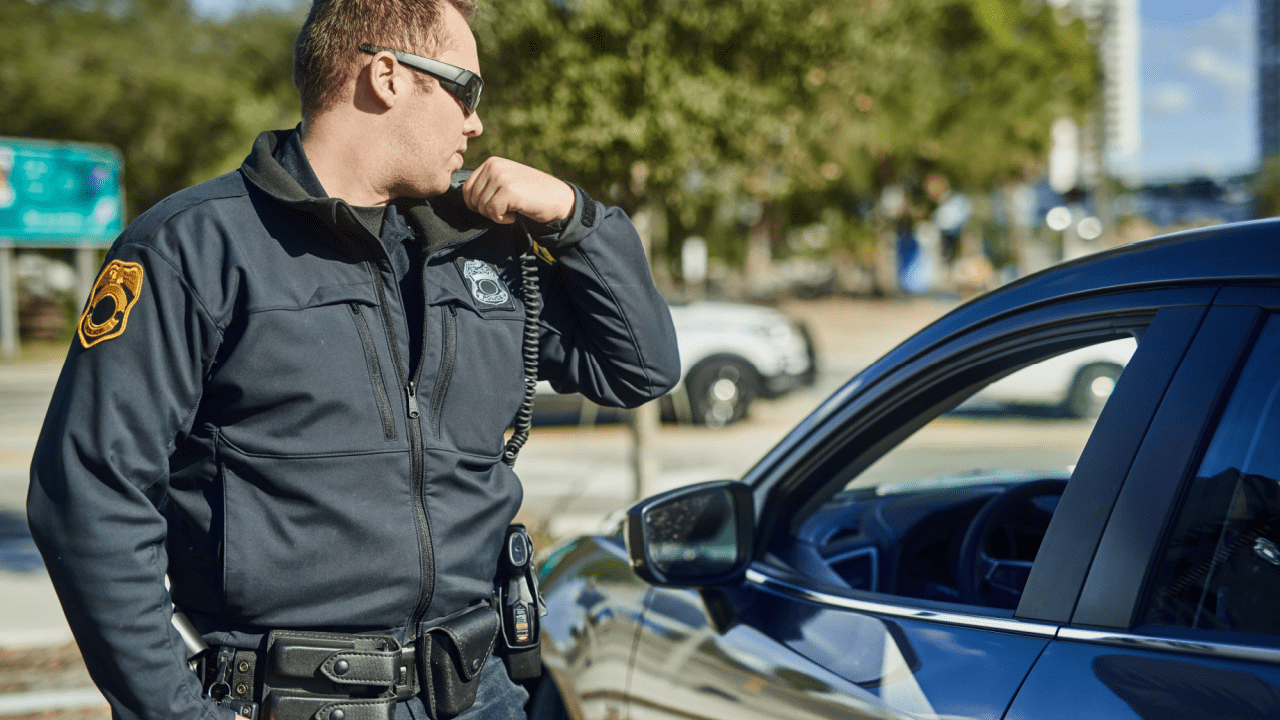
Legal Clarity Needed: What Traffic Laws Can Be Enforced on Private Property
Receiving a traffic ticket on private property often surprises drivers who assume traffic laws only apply to public roads. The reality is more complex. What traffic laws can be enforced on private property varies significantly based on property type, state regulations, and whether the location is accessible to the general public. Understanding which violations officers can legally cite on private land provides legal information about enforcement boundaries and citation authority. This guide explains enforcement boundaries, common citations issued on private property, and general legal considerations for challenging questionable tickets with professional legal support.
Enforcement Authority Explained: What Traffic Laws Apply on Private Land
Public Access Determines Enforcement Power
Law enforcement authority on private property hinges on public accessibility. According to the National Highway Traffic Safety Administration, officers can enforce traffic laws in parking lots, shopping centers, and apartment complexes where the public has general access. Properties open to customers, visitors, or residents fall under traffic law jurisdiction despite private ownership. However, gated communities, private driveways, and restricted-access roads typically limit enforcement to serious violations.
State Statutes Define Private Property Traffic Laws
What traffic laws can be enforced on private property varies by jurisdiction. Most states grant officers authority to cite DUI, reckless driving, and vehicular assault on any property, public or private. The Federal Highway Administration notes that states maintain broad enforcement powers for offenses threatening public safety. Common enforceable violations include driving under the influence, hit-and-run incidents, and reckless operation. Understanding your state traffic laws reveals specific enforcement boundaries in your jurisdiction.
Limited Authority for Minor Traffic Violations
Officers face restrictions when citing minor infractions on private property. Speeding tickets, stop sign violations, and lane infractions generally require public roadways for legal enforcement. Many parking lot accidents and fender benders fall outside standard traffic citation authority. Property owners must typically request police intervention for trespassing or parking violations. Courts frequently dismiss tickets issued beyond legal enforcement boundaries, making professional review essential for private property citations.
Violation Types Compared: Which Citations Hold Up in Court
Serious Offenses Enforceable Anywhere
DUI and DWI charges remain fully enforceable on private property without exception. Officers can arrest impaired drivers in parking lots, private roads, or even on personal driveways. Reckless driving that endangers others carries similar enforcement authority regardless of property type. Hit-and-run violations, vehicular assault, and driving with a suspended license warrant citations on any property. These serious offenses reflect public safety priorities that override property boundaries.
Minor Infractions With Limited Jurisdiction
Standard moving violations like speeding, failure to yield, and improper turns face enforcement challenges on private property. Unless state law explicitly authorizes private property traffic enforcement, these tickets often fail legal scrutiny. Stop sign and traffic signal violations in parking lots typically aren’t enforceable unless the property has specific agreements with local authorities. Many jurisdictions require posted signs indicating traffic law enforcement on private property. Review how TicketVoid works to understand defense strategies for questionable private property citations.
Defense Strategies Available: Challenging Private Property Traffic Tickets
Jurisdictional Challenges in Private Property Cases
Questioning officer authority represents the strongest defense for private property tickets. If the property wasn’t open to public access, enforcement authority may not exist. Defense attorneys examine property ownership, access restrictions, and relevant state statutes to identify jurisdictional defects. According to U.S. Department of Transportation guidelines, officers must operate within statutory boundaries for valid citations. Some private property tickets may be challenged based on enforcement authority, depending on the circumstances and applicable law.
Evidence Requirements in Private Property Cases
Officers must prove violations occurred and met jurisdictional requirements. Private property lacks traffic control devices like public roads, weakening prosecution evidence. Without speed limit signs, radar calibration, or clear traffic markings, prosecutors struggle to establish violations beyond reasonable doubt. Accident reports on private property may not support standard traffic citations. Experienced traffic attorneys review evidentiary gaps and procedural issues that may be relevant to a defense strategy.
Key Considerations: What Traffic Laws Can Be Enforced on Private Property
What traffic laws can be enforced on private property depends on violation severity, property accessibility, and state-specific statutes. While serious offenses like DUI and reckless driving carry enforcement authority anywhere, minor traffic violations often exceed police jurisdiction on private land. Understanding these distinctions protects your legal rights and reveals defense opportunities. Don’t accept private property citations without professional review—jurisdictional considerations and evidentiary issues may be relevant factors when reviewing a private property citation.
Get Legal Help: What Traffic Laws Can Be Enforced on Private Property Defense
Challenging private property traffic tickets requires understanding complex jurisdictional boundaries and state enforcement limitations. You may wish to seek legal information regarding private property traffic citations. Connect with experienced traffic defense attorneys who evaluate your specific situation, identify potential enforcement issues and explain available legal options. Get your free traffic ticket attorney consultation today, or contact us directly to discuss your private property ticket defense options immediately.
Frequently Asked Questions (FAQs)
1. Can police give speeding tickets in parking lots?
Generally no—speeding tickets require public roadways for enforcement unless state law specifically authorizes parking lot speed enforcement with posted limits.
2. Are DUI laws enforced on private driveways?
Yes, officers can arrest impaired drivers anywhere, including private driveways, as DUI laws protect public safety regardless of property type.
3. Can I get a ticket for running a stop sign on private property?
Usually not—stop signs in private parking lots typically aren’t enforceable unless the property has specific traffic control agreements with local authorities.
4. What makes private property "open to public access"?
Properties where the general public can freely enter for business, visiting, or parking purposes, like shopping centers and apartment complexes, qualify as publicly accessible.
5. Do I need a lawyer for a private property traffic ticket?
Yes, private property citations often involve jurisdictional issues that require legal expertise to identify enforcement defects and achieve dismissals or reduced charges.
Key Takeaways
- Officers can enforce DUI, reckless driving, and hit-and-run violations on any private property regardless of public access status.
- Minor traffic violations like speeding and stop sign infractions typically require public roadways for legal enforcement authority.
- Private property “open to public access” such as parking lots and shopping centers allows broader traffic law enforcement than restricted-access private roads.
- Jurisdictional challenges represent the strongest defense strategy for private property traffic tickets issued beyond legal enforcement boundaries.
- Professional legal review identifies enforcement defects and evidentiary weaknesses that frequently lead to dismissals for private property citations.
Recent Posts
-
CDL Legal Risks Without Proper Licensing: Criminal Penalties and Civil Liability for Commercial Drivers
-
What Happens If a Cop Pulls You Over in Your Driveway: Your Legal Rights Explained
-
Can the DOT Pull You Over? Understanding Federal and State Traffic Enforcement Authority
-
What Happens If You Get Pulled Over in a Company Vehicle: Legal Consequences and Defense Options
-
Can a Police Officer Pull Over a Commercial Vehicle? Know Your Rights