
Complete the form to schedule a free consultation with a traffic lawyer
What is the Worst State to Get Pulled Over for a DUI? The States with Toughest DUI Penalties Revealed
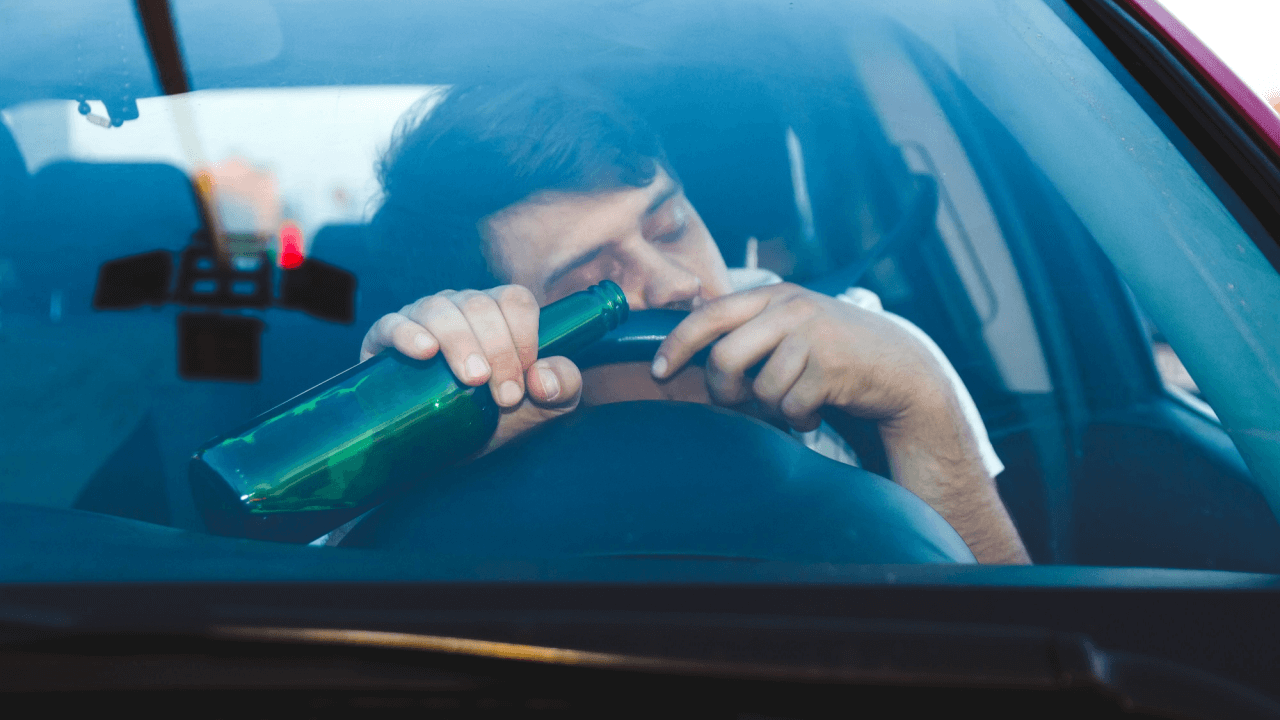
Understanding State-by-State DUI Penalties: What is the Worst State to Get Pulled Over for a DUI
Getting pulled over for driving under the influence triggers vastly different legal consequences depending on where you’re arrested. While federal guidelines exist, individual states maintain complete authority over DUI prosecution, sentencing, and license revocation policies. The variation between states can mean the difference between a minimal fine and months behind bars for identical blood alcohol content levels and circumstances.
Understanding which states impose the harshest DUI penalties helps drivers recognize the serious legal stakes involved. Research consistently identifies Arizona, Utah, and Alaska as having the most severe first-offense consequences, though Georgia, Connecticut, and Kansas also enforce particularly strict impaired driving laws. These jurisdictions prioritize deterrence through mandatory jail sentences, substantial financial penalties, and extended license suspensions that dramatically exceed national averages.
How States Categorize DUI Offenses and Penalties
States use varying legal terminology for impaired driving charges. DUI (Driving Under the Influence), DWI (Driving While Intoxicated), and OUI (Operating Under the Influence) represent the same criminal offense in different jurisdictions. Most states set the legal blood alcohol concentration limit at 0.08% for drivers over 21, though Utah lowered its threshold to 0.05% in 2018, creating the strictest BAC standard nationwide.
Penalty severity depends on multiple factors beyond location. Prior offenses within a lookback period—ranging from five to ten years in most states—trigger enhanced sentencing. Aggravating circumstances like minor passengers, extremely high BAC levels above 0.15%, or accidents causing injury substantially increase consequences. Commercial drivers face even stricter standards, with BAC limits of 0.04% and permanent commercial license revocation in many jurisdictions.
Arizona enforces particularly harsh measures. First-time offenders with BAC between 0.08% and 0.149% face 10 days mandatory jail, $1,250 in fines plus surcharges exceeding $1,000, one-year ignition interlock requirement, and 90-day license suspension. Extreme DUI charges (0.15% BAC or higher) mandate 30 days minimum incarceration and substantially higher penalties.
Understanding DUI Arrest Through Conviction Process
DUI arrests follow a predictable sequence regardless of state. Officers initiate traffic stops based on observed violations or erratic driving patterns. Field sobriety tests and preliminary breath screenings provide probable cause for arrest. Chemical testing at police facilities produces evidence for prosecution. Within 10 days in most states, drivers must request administrative license suspension hearings separate from criminal proceedings.
Administrative and criminal cases progress simultaneously. The Department of Motor Vehicles handles license suspension through administrative proceedings with lower evidence standards than criminal court. Criminal prosecution determines guilt, penalties, and permanent record consequences. Many defendants fail to recognize these separate processes and miss critical administrative hearing deadlines, resulting in automatic extended suspensions.
Utah exemplifies comprehensive DUI enforcement. First offenses trigger mandatory two-day jail sentences, fines up to $1,870, 120-day license suspension, and supervised probation. The state’s 0.05% BAC threshold means drivers can face charges after consuming significantly less alcohol than in other states. Utah also mandates ignition interlock devices for all DUI convictions and requires substance abuse screening.
What is the Worst State to Get Pulled Over for a DUI Versus Lenient States
Penalty comparison reveals dramatic state-by-state variation. Alaska requires minimum 72-hour incarceration for first-time DUI offenders—among the longest mandatory jail terms nationally. The state imposes at least $1,500 in fines, 90-day license revocation, and mandates ignition interlock installation. Second offenses within ten years trigger 20-day minimum jail sentences and escalating financial penalties exceeding $3,000.
Georgia takes an aggressive administrative approach. First DUI convictions result in one-year license suspension with limited work permit availability. The state pioneered “Super Speeder” and DUI fine surcharges that add $200-$500 to base penalties. Georgia also requires DUI Risk Reduction programs costing $350-$400 that offenders must complete before license reinstatement.
Conversely, states like South Dakota and North Dakota impose relatively minimal first-offense consequences. South Dakota mandates no minimum jail time for first DUI convictions, allows restricted licenses immediately, and sets base fines as low as $500. This doesn’t mean DUI arrests are inconsequential in these states—all jurisdictions treat impaired driving seriously—but the differential in mandatory minimums illustrates significant variation.
Understanding state traffic laws becomes crucial when facing DUI charges. Jurisdictions with the harshest DUI penalties share common characteristics: mandatory minimum jail sentences that judges cannot reduce, automatic ignition interlock requirements regardless of BAC level, substantial fine structures with added surcharges, and limited restricted license availability during suspension periods.
Why Legal Representation Matters in Harsh DUI States
States with severe DUI penalties make experienced legal representation essential. Arizona, Utah, and Alaska offer limited plea negotiation opportunities, but defense attorneys identify constitutional violations during stops, challenge chemical test procedures, and negotiate alternative sentencing arrangements. In Arizona, attorneys frequently secure home detention instead of jail incarceration for first-time offenders with strong mitigating factors.
Specialized DUI defense strategies vary by jurisdiction. Attorneys challenge traffic stop legality, breathalyzer calibration records, blood draw procedures, and field sobriety test administration. In states with harsh mandatory minimums, early intervention often produces better outcomes than waiting for formal charges. Attorneys can request independent blood testing, identify procedural errors, and file motions to suppress evidence before prosecutors build their case.
Connecticut exemplifies states where legal expertise provides substantial advantages. The state mandates minimum $500 fines, 45-day license suspension, and 100 hours community service for first offenses. However, Connecticut offers specialized pretrial alcohol education programs that can reduce charges for eligible first-time offenders. Attorneys navigate these alternative resolution programs that aren’t widely publicized to defendants.
Understanding DUI Conviction Long-Term Consequences
DUI convictions create permanent criminal records in most states. Background checks reveal convictions to employers, landlords, and professional licensing boards indefinitely. Many states prohibit record expungement for DUI offenses, meaning consequences extend years beyond sentence completion. Enhanced insurance premiums persist for 5-7 years minimum, often increasing rates 50-100% above standard policies.
Professional consequences frequently exceed criminal penalties. Medical professionals, teachers, commercial drivers, and attorneys face license suspension or revocation regardless of state DUI laws. Security clearances often get revoked for impaired driving convictions. International travel becomes restricted—Canada denies entry to individuals with DUI convictions, requiring special permits and documentation.
Kansas demonstrates how states combine criminal and administrative penalties. First-time offenders face up to one year in jail (though most serve substantially less), fines up to $1,000, 30-day license suspension followed by 330-day restricted license, and mandatory substance abuse evaluation. The state requires ignition interlock devices for all offenders, and second convictions within ten years mandate minimum five-day jail sentences.
Proven Legal Solutions: What is the Worst State to Get Pulled Over for a DUI
Arizona, Utah, and Alaska consistently rank among the worst states to get pulled over for a DUI based on mandatory minimum sentences, financial penalties, and license consequences. However, any DUI arrest requires immediate legal action regardless of location. State-specific defense strategies, constitutional protections, and procedural requirements create opportunities to challenge charges, reduce penalties, or achieve alternative resolutions.
The severity of state DUI laws underscores the critical importance of designated drivers, ride-sharing services, and responsible alcohol consumption. When arrests occur, understanding jurisdiction-specific penalties and securing experienced legal counsel within days—not weeks—of arrest produces substantially better outcomes. The difference between states highlights how dramatically location affects DUI consequences, but professional legal help remains valuable everywhere.
What is the Worst State to Get Pulled Over for a DUI Defense
Facing DUI charges in a harsh-penalty state demands immediate professional legal assistance. Time-sensitive administrative hearings, evidence preservation, and early negotiation strategies significantly impact case outcomes. Don’t navigate complex state-specific DUI laws alone when your freedom, finances, and future are at stake.
For people who need an attorney: Get connected with experienced DUI defense lawyers who understand your state’s specific laws through a free traffic ticket attorney consultation.
For attorneys: Grow your practice with qualified DUI defense clients through exclusive traffic ticket leads.
Frequently Asked Questions
1. What is the worst state to get pulled over for a DUI in terms of jail time?
Arizona and Alaska impose the harshest mandatory minimum jail sentences, with Arizona requiring 10 days minimum for standard first offenses and Alaska mandating 72 hours minimum incarceration.
2. Can you avoid jail time for a first DUI in harsh penalty states?
In Arizona and Utah, judges cannot waive mandatory minimum jail sentences, though attorneys may negotiate home detention, work release, or weekend incarceration for first-time offenders with mitigating circumstances.
3. Does Utah really have a 0.05% BAC limit for DUI charges?
Yes, Utah lowered its legal blood alcohol concentration limit to 0.05% in 2018, making it the only state below the standard 0.08% threshold and significantly increasing DUI arrest likelihood.
4. What states have the lowest DUI penalties for comparison?
South Dakota and North Dakota impose relatively minimal first-offense consequences with no mandatory jail time, lower base fines, and more accessible restricted license options compared to Arizona, Utah, and Alaska.
5. How long do DUI convictions stay on your record in harsh penalty states?
Most states, including Arizona, Utah, and Alaska, maintain permanent DUI conviction records that cannot be expunged, affecting employment, housing, and professional licensing indefinitely.
Key Takeaways
- Arizona imposes the worst first-offense DUI penalties with mandatory 10-day jail sentences, $2,500+ total costs, and universal ignition interlock requirements.
- Utah’s 0.05% BAC threshold creates the nation’s strictest legal limit, substantially increasing DUI charge probability compared to other states.
- Alaska requires 72-hour minimum incarceration and $1,500 fines for first DUI offenses, ranking among the harshest mandatory jail sentences nationally.
- DUI consequences vary dramatically by state, with penalties in Arizona, Utah, and Alaska far exceeding South Dakota and North Dakota requirements.
- Immediate legal representation proves essential in harsh-penalty states where mandatory minimums limit judicial discretion and negotiation opportunities.
Recent Posts
-
What is the Worst State to Get Pulled Over for a DUI? The States with Toughest DUI Penalties Revealed
-
Which State Has the Most Lenient DUI Laws? A Legal Defense Guide
-
Which State Has the Strictest Laws for Drunk Driving?
-
Which State Has the Toughest DUI Penalties: Understanding DUI Penalties
-
Which State Has the Harshest DUI Laws? Expert Legal Guide to America's Strictest Penalties