
Complete the form to schedule a free consultation with a traffic lawyer
What Happens If You Get Pulled Over in a Company Vehicle: Legal Consequences and Defense Options
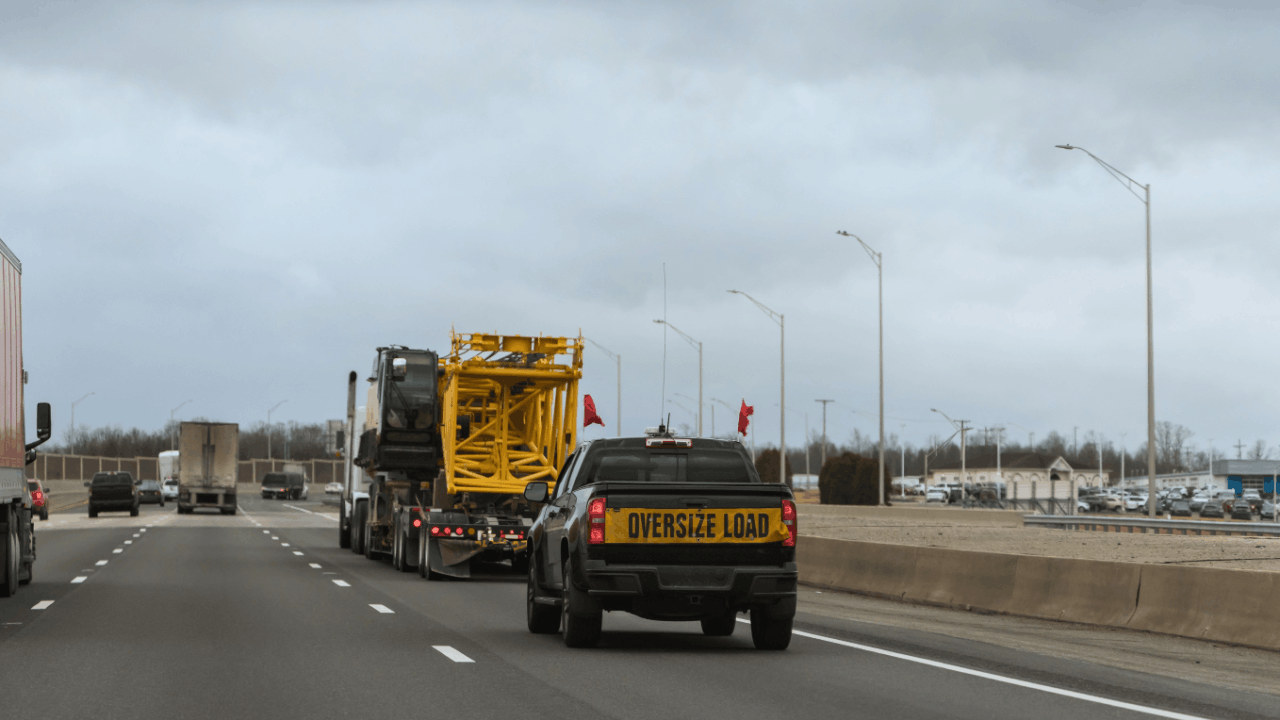
Violation Terms Explained: What Happens If You Get Pulled Over in a Company Vehicle
When law enforcement stops you while driving a company vehicle, the legal process differs significantly from personal vehicle stops. The violation goes on your personal driving record, but your employer typically receives notification through their fleet insurance provider or commercial vehicle monitoring systems. Most companies maintain strict driving policies requiring immediate incident reporting, and 73% of employers conduct automatic license reviews following employee traffic stops. Understanding these dual accountability layers—personal legal consequences and employment implications—helps drivers protect both their driving privileges and their jobs. Whether cited for speeding, distracted driving, DUI, or equipment violations, company vehicle stops create complex scenarios requiring strategic legal responses.
What Happens If You Get Pulled Over in a Company Vehicle
Moving Violations and Citation Processing
Officers process company vehicle stops identically to personal vehicle citations—issuing tickets directly to the driver, not the employer. Speeding tickets, failure to signal, following too closely, and distracted driving citations appear on your personal motor vehicle record within 10-14 days. However, commercial vehicle operators face enhanced penalties: a 15-mph speeding violation in a company truck carries 50% higher fines than the same violation in a personal car in most jurisdictions.
Equipment and Registration Issues
Company vehicle equipment violations—expired registration, faulty brake lights, missing inspection stickers—create unique liability questions. While the employer technically owns responsibility for vehicle maintenance, officers typically cite the driver. Your defense strategy should immediately document who manages fleet maintenance and inspection schedules, as this evidence proves critical in court dismissals.
Employer Notification and Reporting Requirements
Immediate Post-Stop Obligations
Most company driving policies require violation reporting within 24-48 hours, regardless of citation severity. Failing to report violations independently often triggers termination even when the traffic charge itself wouldn’t. Review your employee handbook immediately after any stop—93% of fleet policies include specific reporting timelines and procedures.
Insurance and Risk Management Consequences
Fleet insurance carriers receive automated notifications of citations involving insured vehicles through DMV monitoring systems. Your employer learns about the violation through their insurance provider even if you report it first. Companies with DOT-regulated vehicles face federal reporting requirements that create additional oversight layers beyond state traffic laws enforcement.
Employment Impact and Job Security Concerns
Company Policy Enforcement Actions
Employers maintain discretion over employment consequences following traffic violations in company vehicles. First-time minor violations typically trigger verbal warnings and mandatory defensive driving courses. However, serious violations—DUI, reckless driving, or license suspension—result in immediate driving privilege suspension and potential termination in 78% of companies with fleet vehicles.
Progressive Discipline and Pattern Documentation
Companies track violation patterns across multi-year periods. A second speeding ticket within 36 months often triggers formal written warnings and probationary periods, even if both violations were relatively minor. Third violations frequently result in permanent removal from company driving duties, effectively ending positions requiring vehicle operation.
Professional Legal Representation Benefits
Dual-Impact Mitigation Strategy
Traffic attorneys protect both your driving record and employment status simultaneously. Court victories preventing points assignment preserve your company driving eligibility, while negotiated reduced charges minimize employer policy triggers. Legal representation proves especially valuable for CDL holders and professional drivers, where single violations can eliminate career viability.
Evidence Collection and Documentation
Experienced attorneys gather critical evidence employers need for internal reviews—calibration records for speed detection equipment, officer training certifications, and procedural compliance documentation. This evidence serves dual purposes: court defense and internal company appeal processes. Many employers accept attorney-negotiated outcomes as reasonable resolutions, reducing disciplinary actions when drivers demonstrate proactive legal responsibility.
Protecting Your Record and Employment
Drivers facing company vehicle violations need immediate legal consultation addressing both court proceedings and employment implications. Traffic attorneys familiar with fleet policy consequences develop defense strategies that minimize career impacts while fighting citations. Early legal intervention—within 72 hours of citation—maximizes defense options and demonstrates responsibility to employers, often influencing internal disciplinary decisions favorably.
What Happens If You Get Pulled Over in a Company Vehicle
Don’t let a company vehicle violation jeopardize your job and driving record. Professional legal representation addresses both court penalties and employment consequences simultaneously.
For people who need an attorney: Get your free traffic ticket attorney consultation today—protect your career and your license with experienced legal defense.
For attorneys: Generate qualified cases from drivers facing company vehicle violations with exclusive traffic ticket leads targeting your practice area.
Frequently Asked Questions
1. Will my employer automatically find out if I get pulled over in a company vehicle?
Yes—fleet insurance monitoring systems and DMV reporting protocols notify employers of citations within 14-30 days, regardless of whether you report the violation independently.
2. Can I lose my job for a minor speeding ticket in a company vehicle?
Employment consequences depend on company policy, violation severity, and your driving history—first-time minor violations rarely trigger termination, but second violations within 36 months often result in driving privilege suspension.
3. Does a company vehicle violation affect my personal car insurance rates?
Yes—violations in company vehicles appear on your personal driving record and typically increase personal auto insurance premiums by 20-30% for 36 months following conviction.
4. What happens if I get a DUI while driving a company vehicle?
DUI citations in company vehicles trigger immediate license suspension, mandatory court appearances, fleet policy violations resulting in termination in 89% of cases, and potential criminal charges depending on BAC levels and prior history.
5. Should I hire an attorney for a company vehicle traffic ticket?
Legal representation proves especially valuable for company vehicle violations because attorneys address both court defense and employment protection simultaneously—reducing charges that trigger company policy consequences while fighting for record preservation.
Key Takeaways
- Company vehicle traffic stops result in personal citations appearing on your driving record, with automatic employer notification through fleet insurance monitoring systems regardless of independent reporting.
- Most employers require violation reporting within 24-48 hours under fleet driving policies, and failure to report independently often triggers termination even when the underlying traffic charge wouldn’t.
- Traffic violations in company vehicles carry dual consequences—court penalties plus employment disciplinary actions ranging from warnings to termination depending on severity and violation history patterns.
- Professional legal representation protects both your driving record and your employment status by negotiating reduced charges that minimize company policy triggers while fighting for court victories.
- Early attorney consultation within 72 hours of citation maximizes defense options and demonstrates responsibility to employers, often influencing internal disciplinary decisions favorably while preserving career viability.
Recent Posts
-
New California Driving Laws 2026: Complete Driver Guide
-
DUI Legality and Drinking Rules in All States: Complete Legal Standards and Defense Strategy Guide
-
Will You Go to Jail for a First Offense DUI Under State Law?
-
Does Your License Get Suspended Immediately After a DUI Under State Law?
-
What is the New Law for DUI Penalties in the States: 2026 Sentencing Changes Explained