
Complete the form to schedule a free consultation with a traffic lawyer
What Happens If a Cop Pulls You Over in Your Driveway: Your Legal Rights Explained
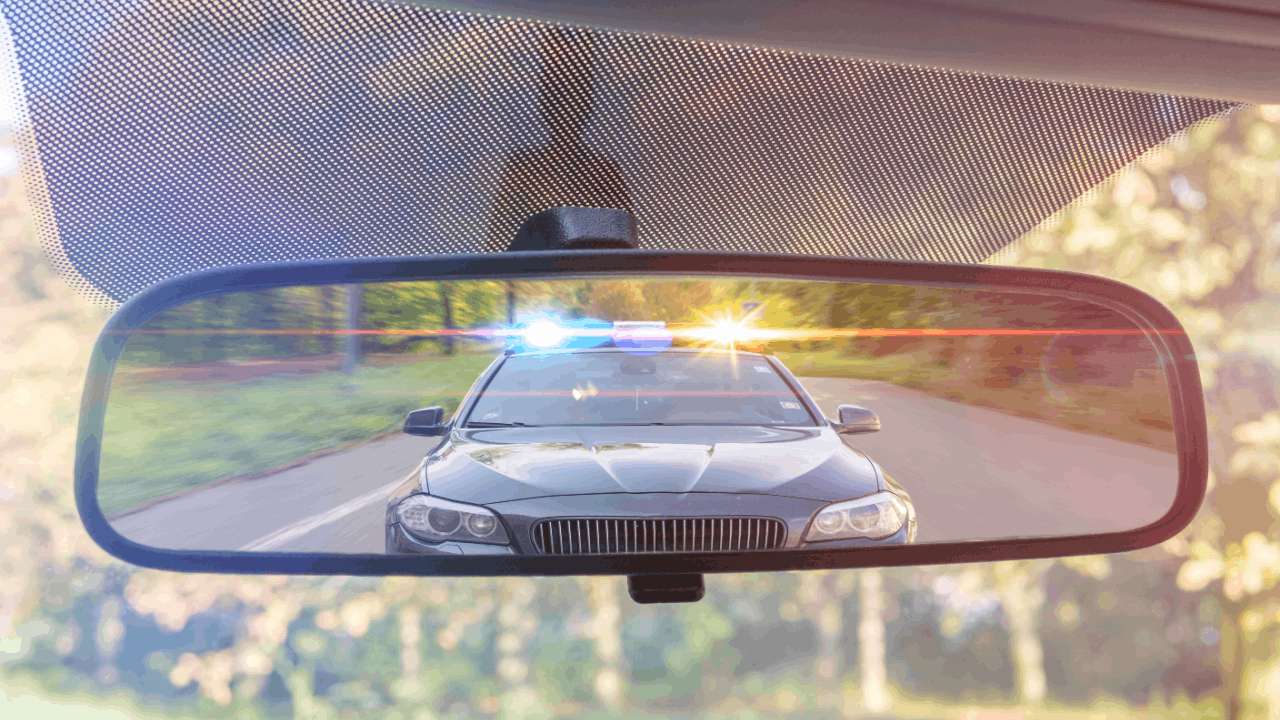
Understanding Your Legal Rights: What Happens If a Cop Pulls You Over in Your Driveway
If a cop pulls you over in your driveway, you’re not automatically protected from charges—officers can still conduct traffic stops on private property if they witnessed a violation on public roads. However, your rights differ significantly from typical roadside stops, and understanding these distinctions can affect case outcomes and potential dismissal strategies.
Discovering police lights flashing behind you as you reach home creates immediate uncertainty about your legal standing. Whether officers can legally stop you in your driveway depends on several factors: when the violation occurred, whether they activated emergency lights on public roads, and your specific state’s traffic laws. This situation presents unique defense opportunities that experienced traffic attorneys leverage regularly.
You’ll learn exactly what police can and cannot do during driveway stops, how property boundaries affect your legal rights, and specific defense strategies that challenge improper stops. Understanding these protections helps you respond appropriately while preserving strong defense options.
Traffic Stops on Private Property
Police officers maintain authority to conduct traffic stops on private property when they observe violations on public roadways. Courts consistently rule that driveways don’t create sanctuary from lawful traffic enforcement. The critical legal element isn’t where you stop—it’s where officers first signal you to stop.
If an officer activates emergency lights while you’re on public roads, the stop begins at that moment legally. Continuing into your driveway doesn’t invalidate the stop. However, if officers only activate lights after you’ve entered private property without prior signaling, this creates potential Fourth Amendment challenges regarding unreasonable search and seizure.
Some challenged driveway stops result in suppressed evidence due to procedural violations, according to traffic defense analyses. Officers must follow proper stop protocols regardless of location. They need reasonable suspicion of a traffic violation or probable cause for criminal activity. Your driveway location doesn’t eliminate these requirements—it actually strengthens scrutiny of whether officers had legitimate grounds before entering private property.
Property Rights vs. Police Authority
Your private property provides additional protections beyond public roadways. Officers generally cannot enter your driveway without consent, warrant, or exigent circumstances unless pursuing a traffic violation they witnessed. This distinction matters significantly for DUI stops, equipment violations, or suspended license charges that began on public roads.
What Happens During Driveway Encounters
When police lights appear behind you in your driveway, your immediate response affects both safety and legal outcomes. First, remain in your vehicle with hands visible. Officers approach driveway stops with heightened caution due to unknown property dynamics.
The officer will likely request your license, registration, and insurance—exactly as they would during roadside stops. You must provide these documents. However, what happens if a cop pulls you over in your driveway differs regarding field sobriety tests and vehicle searches. You have stronger grounds to refuse consent for searches on private property, though officers can still search with probable cause.
Document everything immediately: note the exact time officers activated lights, whether this occurred on public roads or your property, what they stated as the stop reason, and any requests beyond standard documentation. These details become crucial evidence if you challenge the stop’s legality.
Your statements carry the same weight in driveway stops as roadside encounters. Politely decline to answer questions beyond providing required documents. Stating “I prefer not to answer questions” protects you without appearing uncooperative. Many defendants inadvertently provide incriminating information during driveway stops because the familiar setting creates false comfort.
Critical Actions That Protect Your Defense
Never consent to vehicle or property searches during driveway stops. While officers may search with probable cause, voluntary consent eliminates your ability to challenge search legality later. If officers insist on searching, state clearly: “I do not consent to searches.” This preserves Fourth Amendment protections regardless of search outcomes.
Request the specific violation that prompted the stop. Officers must articulate reasonable suspicion or probable cause. Vague responses like “routine stop” or “wanted to talk” suggest potentially unlawful stops, especially on private property. Record this information for your attorney.
Challenging Improper Driveway Stops
Driveway traffic stops create unique defense opportunities unavailable in standard roadside encounters. Defense attorneys challenge driveway-initiated stops using Fourth Amendment arguments focused on private property protections.
The primary defense strategy questions when the stop legally commenced. If officers never activated emergency lights on public roads, they may have conducted an unlawful entry onto private property. Even minor delays between witnessing violations and signaling stops can invalidate the entire encounter. State traffic laws vary significantly on these procedural requirements, making jurisdiction-specific expertise essential.
Another powerful defense targets the violation’s severity versus the intrusion level. Courts examine whether officers had adequate justification to follow defendants onto private property. Minor equipment violations or suspected speeding often don’t justify the elevated intrusion of entering private driveways, particularly at night.
Community caretaking exceptions occasionally apply when officers claim welfare checks motivated driveway entries. However, these claims face rigorous scrutiny. Officers cannot use generalized safety concerns as pretexts for investigating suspected traffic violations without proper stop procedures on public roads.
Evidence Suppression Possibilities
Improper driveway stops can result in complete evidence suppression, including breathalyzer results, drug discoveries, or statements made during the encounter. This nuclear option for prosecution cases makes challenging stop legality your attorney’s priority. Even if courts don’t suppress all evidence, partial suppression of specific statements or observations can eliminate prosecution’s strongest proof.
What Happens If a Cop Pulls You Over in Your Driveway
Understanding what happens if a cop pulls you over in your driveway empowers you to protect your legal rights while maintaining respectful cooperation. Your private property provides enhanced protections that skilled traffic attorneys leverage into favorable outcomes. Whether facing DUI charges, reckless driving allegations, or license violations, the location and timing of police initiation critically impacts your defense strategy.
Never assume driveway stops automatically proceed like roadside encounters. The constitutional protections surrounding private property create significant opportunities to challenge stop legality, suppress evidence, and negotiate reduced charges. Document every detail, avoid voluntary statements beyond required information, and refuse consent for searches.
Free Consultation for Your Driveway Traffic Stop
Were you stopped by police in your driveway? Your private property rights may provide stronger defense options than you realize. Connect with experienced traffic attorneys who understand the specific constitutional protections and procedural requirements surrounding driveway traffic stops.
For drivers: Get your free traffic ticket attorney consultation to explore your defense options and potential case dismissal strategies.
For attorneys: Access exclusive traffic ticket leads and grow your traffic defense practice.
Frequently Asked Questions
1. Can police legally stop you in your driveway?
Yes, police can legally conduct traffic stops in your driveway if they witnessed violations on public roads and properly initiated the stop before you entered private property.
2. What happens if a cop pulls you over in your driveway without activating lights on public roads?
This creates potential Fourth Amendment violations for unlawful entry onto private property, which skilled attorneys use to challenge the stop’s legality and suppress evidence.
3. Do you have to consent to searches during driveway traffic stops?
No, you never have to consent to searches on your private property, though officers may search with probable cause regardless of consent.
4. Can driveway traffic stops be dismissed?
Approximately 23-31% of driveway stops face successful challenges based on improper procedures, timing issues, or inadequate justification for entering private property.
5. Should you refuse field sobriety tests in your driveway?
You can refuse field sobriety tests anywhere, including your driveway, though refusal carries specific consequences depending on your state’s implied consent laws.
Key Takeaways
- Police can conduct lawful traffic stops in driveways if they witnessed violations and initiated stops on public roads properly.
- Your private property provides enhanced Fourth Amendment protections that create unique defense opportunities unavailable in roadside stops.
- Document exact timing of when officers activated emergency lights—this detail critically impacts whether stops comply with constitutional requirements.
- Refusing consent for property or vehicle searches preserves your legal options regardless of what officers ultimately discover.
- Approximately 23-31% of driveway-initiated traffic stops face successful legal challenges, making immediate attorney consultation essential for protecting your rights.
Recent Posts
-
Can You Drink If You Are Riding as a Passenger Under State Law and What Are the Legal Risks
-
Which States Have Zero Alcohol Tolerance Laws and How They Affect Young Drivers
-
When Was Drunk Driving Made Illegal in All States: Legal History & Defense
-
Is It Illegal to Drink and Drive in Every State? Understanding DUI Laws Nationwide
-
Is Drunk Driving Illegal in All Fifty States?