
Complete the form to schedule a free consultation with a traffic lawyer
Is Drunk Driving Illegal in All Fifty States?
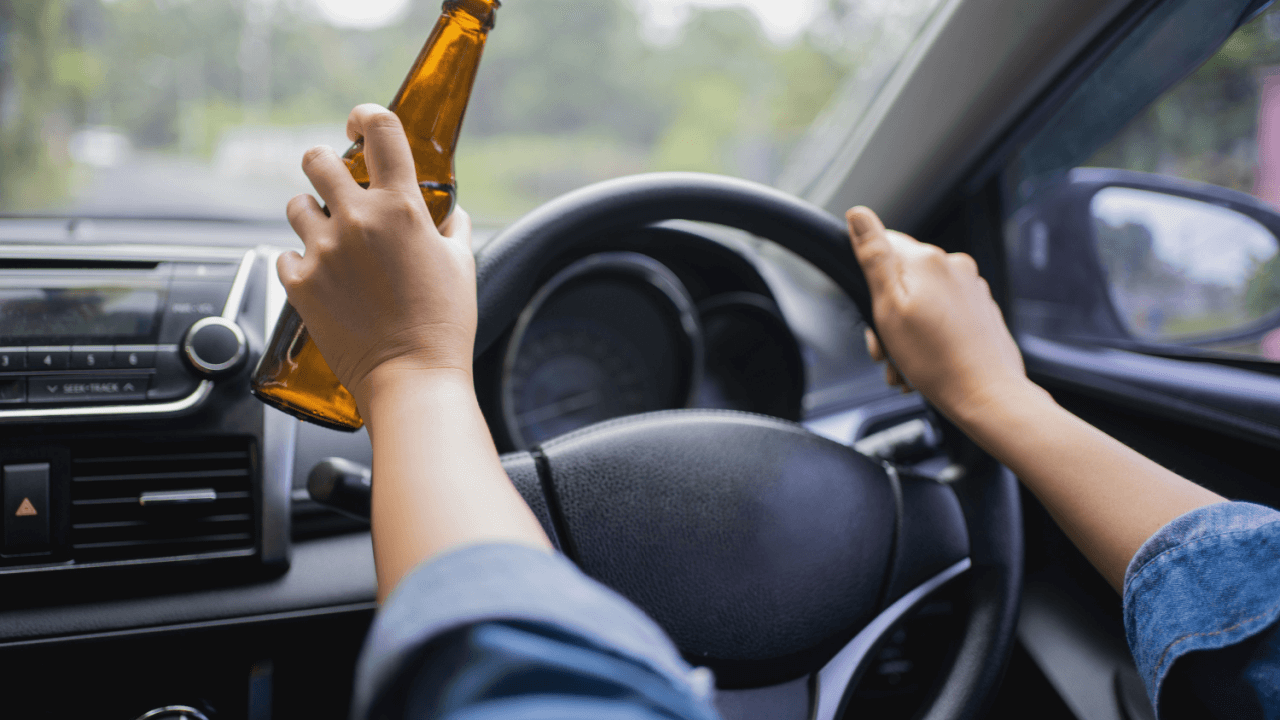
Violation Terms Explained: Is Drunk Driving Illegal in All Fifty States
Is drunk driving illegal in all fifty states? Absolutely. Since the National Minimum Drinking Age Act of 1984, every state has enacted laws prohibiting impaired driving.
Federal highway funding requirements later reinforced these prohibitions nationwide. Terminology varies by state. Some states use DUI others use DWI, and some use OWI, but the prohibition remains consistent nationwide. Every jurisdiction treats impaired driving as a serious criminal offense with escalating consequences for repeat offenders.
The universal 0.08% BAC threshold represents the maximum legal limit, though drivers can face charges at lower levels if impairment is demonstrated. For commercial drivers, the federal limit drops to 0.04% BAC, and all states enforce zero-tolerance policies for drivers under 21, typically setting limits between 0.00% and 0.02% BAC. Understanding these variations is crucial. Penalties differ based on BAC level, prior offenses, and aggravating factors such as property damage or injury.
Key Legal Concepts: How DUI Laws Function Across State Lines
While drunk driving is illegal nationwide, state-specific statutes create important distinctions affecting your defense options and potential penalties. Most states employ two types of DUI charges.
These include per se violations based on BAC levels and impairment-based charges relying on observed behavior and testing. This dual approach means prosecutors can pursue charges even when BAC evidence is unavailable or contested.
State variations impact license suspension procedures, with some jurisdictions imposing administrative suspensions separate from criminal penalties. Refusing a breathalyzer test often triggers automatic license suspension. Under implied consent laws, suspensions typically range from 90 days to one year for first refusals. Enhanced penalties apply for aggravated DUI, generally defined as BAC above 0.15% or 0.20%, depending on jurisdiction. First-time offenders may face fines, limited jail time, and license suspension. Second and subsequent offenses often carry mandatory minimum sentences in most states.
Legal Process: What Happens After a DUI Arrest
Following a drunk driving arrest, defendants face both administrative Department of Motor Vehicles proceedings and criminal court processes. The administrative hearing determines license suspension. It is usually requested within 10 to 30 days of arrest and proceeds independently of criminal charges. This dual-track system means you need a defense strategy addressing both proceedings simultaneously.
Criminal proceedings begin with arraignment, where you enter a plea and learn specific charges. Prosecutors must prove beyond reasonable doubt that you operated a vehicle while impaired or exceeded legal BAC limits. Defense attorneys challenge evidence using several strategies.
These include questioning breathalyzer accuracy, reviewing probable cause for the stop, and scrutinizing field sobriety testing. Blood test results face challenges regarding chain of custody, storage procedures, and testing delays that may affect accuracy.
Prosecutors often offer plea agreements for first-time offenders, potentially reducing charges to reckless driving or “wet reckless” in exchange for guilty pleas. These agreements may carry lesser penalties but still create criminal records and impact insurance rates. Understanding available defense options and negotiation leverage requires analyzing arrest circumstances, evidence quality, and jurisdiction-specific precedents.
Defense Advantages: Protecting Your Rights Across All States
Despite uniform prohibition of impaired driving, significant defense opportunities exist within state legal frameworks. Constitutional protections apply nationwide, requiring law enforcement to establish reasonable suspicion for traffic stops and probable cause for arrests. Officers violating these standards create grounds for evidence suppression, potentially leading to charge dismissal.
Experienced DUI defense attorneys identify procedural errors, challenge testing equipment accuracy, and negotiate favorable outcomes based on case specifics. Many jurisdictions offer diversion programs for first-time offenders.
These programs may allow dismissal after completing education, community service, and probation. These programs prevent criminal convictions from appearing on permanent records, protecting employment prospects and professional licenses.
Strategic timing matters significantly. Most states require administrative hearing requests within narrow timeframes—missing these deadlines results in automatic license suspension regardless of criminal case outcomes. Immediate attorney consultation ensures proper deadlines are met and evidence is preserved. Legal representation becomes especially critical when facing enhanced penalties for high BAC levels, accidents causing injury, or charges involving minors as passengers.
For detailed information about drunk driving laws in your specific state, visit our comprehensive state traffic laws guide.
Understanding National DUI Prohibition
Is drunk driving illegal in all fifty states? Yes, with every jurisdiction enforcing strict impaired driving laws featuring the 0.08% BAC standard for adults and zero-tolerance policies for underage drivers. While federal mandates created uniform BAC thresholds, individual states maintain distinct penalty structures, defense procedures, and diversion program availability. Understanding your state’s specific statutes is essential. Available defense strategies help protect driving privileges, reduce criminal exposure, and preserve future opportunities.
Get Expert Legal Help for DUI Charges
Facing drunk driving charges requires immediate legal representation to protect your rights and explore all available defense options. Don’t navigate complex DUI proceedings alone—experienced attorneys understand jurisdiction-specific laws, identify weaknesses in prosecution evidence, and negotiate favorable outcomes. Get your free traffic ticket attorney consultation today to discuss your case with qualified legal professionals who can evaluate your specific situation and develop an effective defense strategy.
For Attorneys: Are you looking to grow your DUI defense practice? Discover exclusive traffic ticket leads and connect with clients who need your expertise.
Frequently Asked Questions
1. Is drunk driving illegal in all fifty states for first-time offenders?
Yes, every state prohibits drunk driving for first-time offenders, with penalties typically including fines of $500–$2,000, license suspension for 90 days to one year, and possible jail time ranging from 24 hours to six months depending on jurisdiction and BAC level.
2. Can you be charged with DUI below the 0.08% legal limit?
Yes, impairment-based DUI charges can result from any BAC level if prosecutors demonstrate actual impairment through field sobriety tests, erratic driving, or officer observations, meaning the 0.08% threshold is not the only basis for drunk driving prosecution.
3. Do commercial drivers face different drunk driving laws across states?
Yes, commercial vehicle operators face stricter federal standards with a 0.04% BAC limit nationwide, and many states impose enhanced penalties for CDL holders convicted of DUI even when driving personal vehicles.
4. What happens if I refuse a breathalyzer test in a DUI stop?
Refusing chemical testing triggers automatic administrative license suspension in all states through implied consent laws, typically lasting 90 days to one year for first refusal, and refusal can be used as evidence of consciousness of guilt in criminal proceedings.
5. Are DUI diversion programs available in every state?
No, diversion program availability varies significantly by state and jurisdiction, with some states offering first-time offender programs allowing charge dismissal upon completion while others have no formal diversion options, making local legal consultation essential.
Key Takeaways
- Drunk driving is illegal in all fifty states with a uniform 0.08% BAC limit for drivers 21 and older, though specific terminology and penalties vary by jurisdiction.
- Every state enforces both per se BAC violations and impairment-based charges, allowing prosecution even when BAC evidence is contested or unavailable.
- Administrative license suspensions occur separately from criminal proceedings, requiring timely hearing requests to protect driving privileges.
- Defense strategies challenging traffic stop legality, testing procedures, and evidence accuracy can significantly impact case outcomes and available plea agreements.
- Immediate attorney consultation protects constitutional rights, preserves evidence, and ensures compliance with strict procedural deadlines affecting license suspension and criminal charges.
Recent Posts
-
Is Drunk Driving Illegal in All Fifty States?
-
New California Driving Laws 2026: Complete Driver Guide
-
DUI Legality and Drinking Rules in All States: Complete Legal Standards and Defense Strategy Guide
-
Will You Go to Jail for a First Offense DUI Under State Law?
-
Does Your License Get Suspended Immediately After a DUI Under State Law?