
Complete the form to schedule a free consultation with a traffic lawyer
How Much Can I Pull Without CDL Requirements?
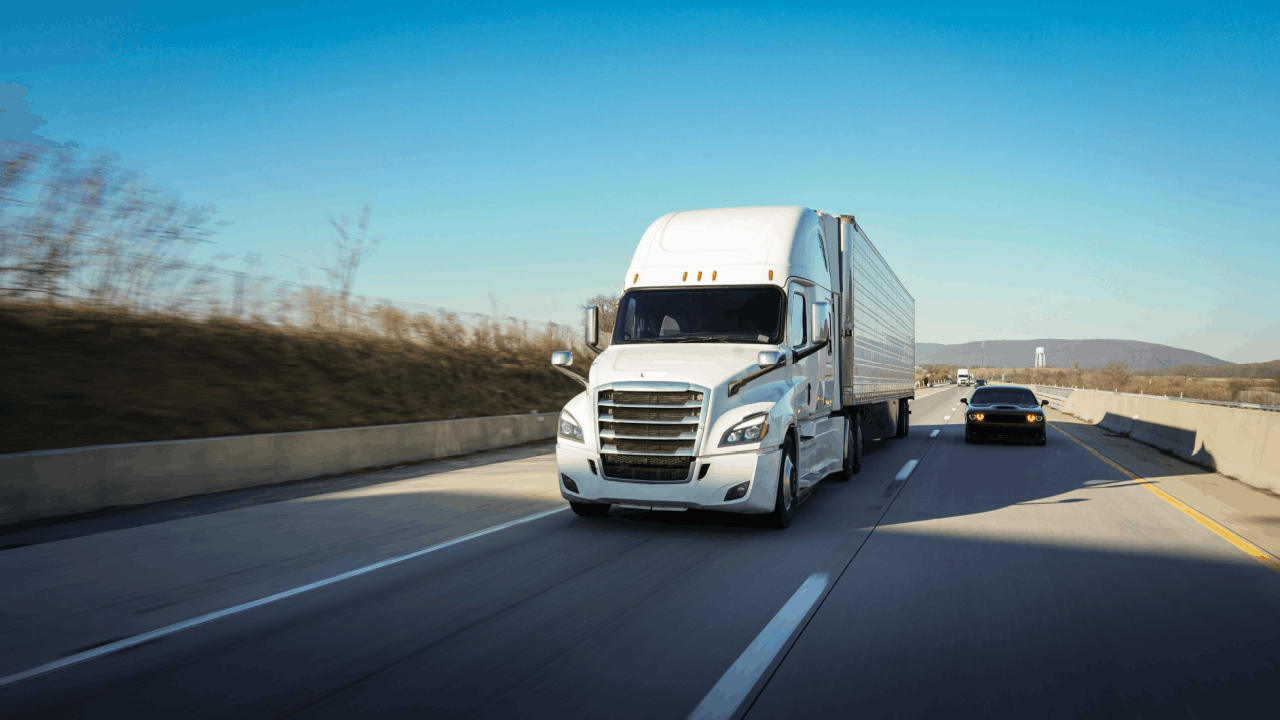
Legal Requirements Explained: How Much Can I Pull Without CDL
Understanding CDL requirements protects you from serious violations and ensures legal compliance on the road. Many drivers face citations for operating overweight vehicles without proper licensing, even when towing for personal reasons. Federal Motor Carrier Safety Administration (FMCSA) regulations establish baseline weight limits, but state laws often impose stricter restrictions. This guide clarifies exactly how much weight you can pull without needing a commercial driver’s license, helping you avoid costly violations and potential criminal charges. You’ll learn specific weight thresholds, state variations, and when CDL requirements apply to your towing situation. Whether hauling recreational trailers, moving equipment, or towing for business, knowing these limits prevents violations that could impact your driving record and insurance rates.
Weight Thresholds Determined: Federal CDL Requirements
Federal law establishes a 26,001-pound threshold as the primary dividing line for CDL requirements. If your combined vehicle and trailer weight exceeds this limit, you typically need a Class A CDL. The combined weight includes your towing vehicle’s gross vehicle weight rating (GVWR) plus the trailer’s GVWR—not just actual cargo weight.
For vehicles under 26,001 pounds combined, no CDL is required for non-commercial use. However, if you’re towing a trailer with a GVWR exceeding 10,000 pounds while your combination stays under 26,001 pounds total, you may need a Class B CDL depending on your state.
Most pickup trucks have GVWRs between 8,500 and 14,000 pounds. When towing a trailer rated at 10,000 pounds GVWR with a 12,000-pound truck, your 22,000-pound combination stays below federal CDL thresholds. Add a heavier trailer, and you cross into CDL territory even if you’re not hauling commercially.
State laws frequently impose additional restrictions beyond federal minimums. Some states require special endorsements for specific trailer types regardless of weight, while others have lower weight thresholds triggering CDL requirements.
Common Violations Identified: CDL Enforcement Issues
Operating overweight without proper licensing carries serious consequences. Law enforcement officers conduct roadside inspections checking vehicle weights, licensing, and documentation. Citations for operating without required CDLs can involve substantial fines, with penalties varying by state and offense.
Beyond financial penalties, CDL violations create criminal records in many jurisdictions. Courts may classify these infractions as misdemeanors, particularly when combined with other violations like improper vehicle registration or expired inspections. Insurance companies frequently increase premiums following CDL-related citations, and some carriers drop coverage entirely.
Commercial motor vehicle violations also impact DOT safety ratings for businesses. Even personal vehicle operators face complications when violations suggest commercial activity without proper authority. Three common scenarios trigger enforcement action: exceeding GVWR combinations, towing trailers requiring CDL endorsements, and operating vehicles designed for 16+ passengers without appropriate licensing.
Recreational vehicle operators often encounter confusion about CDL requirements. Motorhomes and fifth-wheel combinations frequently approach or exceed 26,001 pounds combined weight. Many states provide recreational vehicle exemptions, but these vary significantly. Understanding your specific state traffic laws prevents unexpected violations during travel.
Defense Options Compared: Challenging CDL Violations
Several legal defenses apply to improper CDL operation charges. Mistake of fact represents a common defense when drivers reasonably believed their vehicle combinations stayed under weight limits. Equipment malfunction or inaccurate weight measurements may challenge prosecution evidence, particularly when scale calibration becomes questionable.
Recreational vehicle exemptions provide defenses for personal use situations. Many states exempt RVs used for personal transportation and temporary living from CDL requirements even when exceeding weight thresholds. Documenting non-commercial use strengthens this defense strategy.
Technical defenses focus on improper citation procedures. Officers must follow specific protocols when conducting vehicle inspections and weight measurements. Procedural violations may result in charge dismissals. Additionally, jurisdiction questions arise when violations occur across state lines with conflicting requirements.
Attorney representation significantly improves violation outcomes. Traffic lawyers specializing in CDL cases understand complex federal and state regulations, identify technical defenses, and negotiate reduced charges. First-time offenders often qualify for diversion programs preventing convictions from appearing on driving records.
Key Insights Summarized: How Much Can I Pull Without CDL
Understanding weight limits prevents costly CDL violations and protects your driving privileges. Federal law permits up to a specified combined vehicle weight without CDL requirements for non-commercial use, but state variations demand careful attention. Weight calculations use GVWR rather than actual cargo weight, meaning your vehicle’s rated capacity determines CDL necessity regardless of current load. Recreational exemptions exist in many states, though relying on these requires confirming your jurisdiction’s specific rules. When facing citations for operating without required CDLs, legal defenses ranging from reasonable mistakes to procedural challenges may reduce or eliminate penalties.
How Much Can I Pull Without CDL Violations
Facing CDL violation charges requires immediate legal guidance to protect your driving record and minimize penalties. Experienced traffic attorneys understand complex weight regulations and identification of viable defenses for your specific situation.
For people who need an attorney: Get your free consultation at TicketVoid’s attorney network.
For attorneys: Expand your practice with exclusive traffic ticket leads.
Frequently Asked Questions
1. Do I need a CDL to tow my personal trailer?
Not if your combined vehicle and trailer weight stays under 26,001 pounds and you’re using it for personal purposes, though state laws may impose additional requirements.
2. What happens if I exceed weight limits without a CDL?
Violations typically result in fines exceeding $1,000, potential misdemeanor charges, increased insurance rates, and possible vehicle impoundment until proper licensing is obtained.
3. Can I tow a camper trailer without a CDL?
Most camper trailers can be towed without CDLs under recreational vehicle exemptions, provided combined weights stay below state thresholds and use remains personal rather than commercial.
4. How do police determine if I need a CDL?
Officers check your vehicle’s GVWR plates, measure trailer weights at inspection stations, and verify your licensing matches vehicle classification requirements during traffic stops.
5. Does CDL requirement change for business use?
Yes—commercial operations may require CDLs at lower weight thresholds than personal use, and additional endorsements become necessary depending on cargo type and vehicle purpose.
Key Takeaways
- Federal law permits towing up to 26,000 pounds combined vehicle weight without CDL requirements for personal use, though state variations apply.
- Weight calculations use vehicle GVWR ratings rather than actual cargo weight when determining CDL necessity.
- CDL violations carry fines exceeding $1,000, potential misdemeanor charges, and insurance rate increases affecting your driving record.
- Recreational vehicle exemptions exist in many states but require confirming jurisdiction-specific rules before operating near weight thresholds.
- Legal representation significantly improves outcomes when facing CDL violations through technical defenses and negotiated charge reductions.
Recent Posts
-
What Makes a DUI a Felony Under State Law and How to Defend Against Escalated Charges
-
Which States Classify Certain DUIs as Felonies and What Defense Options Exist
-
In What States Is a DUI Considered a Felony and How Classification Affects Your Case
-
Felony vs Misdemeanor DUI Under State Laws: Complete Classification and Penalty Comparison Guide
-
Can You Drink If You Are Riding as a Passenger Under State Law and What Are the Legal Risks