
Complete the form to schedule a free consultation with a traffic lawyer
Will You Go to Jail for a First Offense DUI Under State Law?
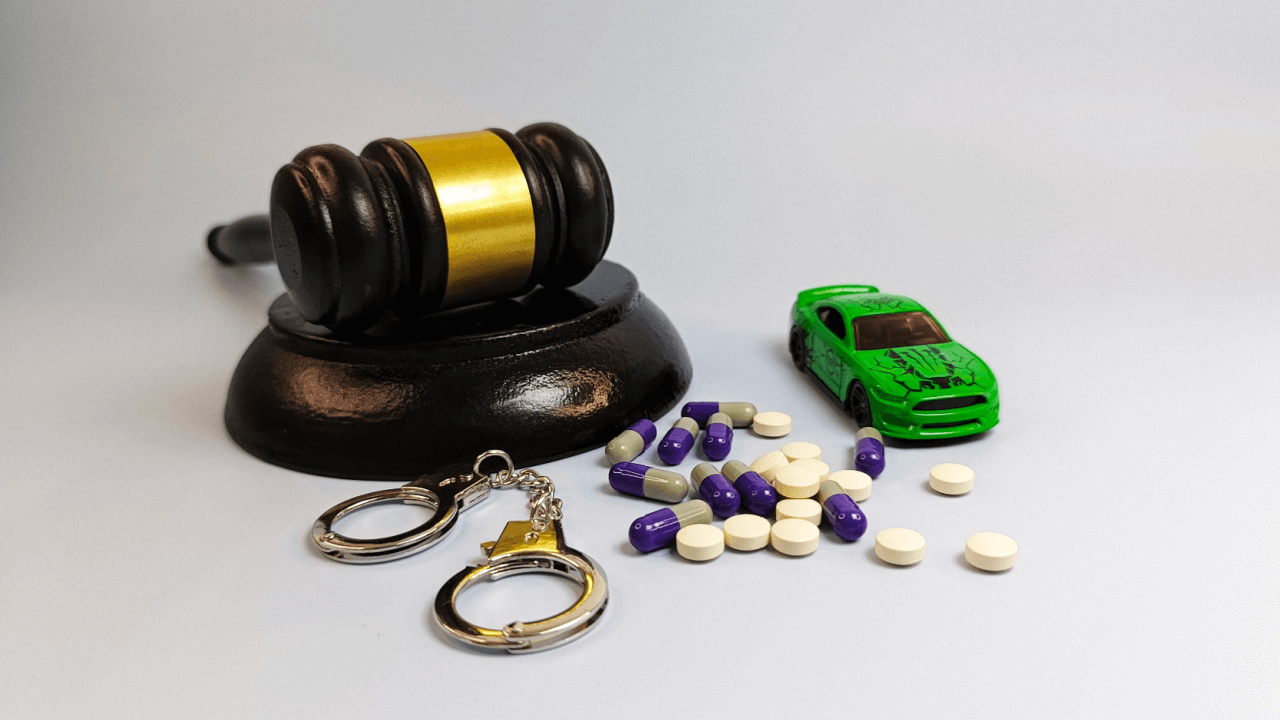
Jail Exposure Explained: Will You Go to Jail for a First Offense DUI Under State Law
Facing a first offense DUI charge creates immediate concern about potential jail time. State traffic laws vary significantly in their approach to incarceration for impaired driving convictions, with some jurisdictions emphasizing rehabilitation over confinement for first-time offenders. Understanding your specific state’s sentencing guidelines helps you prepare for realistic outcomes and identify viable defense strategies. This guide explains jail exposure across different jurisdictions, alternative sentencing options, and how aggravating factors influence incarceration decisions for individuals arrested on their first DUI charge.
Sentencing Framework: State-by-State Jail Requirements for First DUI
Mandatory minimum jail sentences for first offense DUI vary dramatically across the United States. States like Arizona require a minimum 10-day jail sentence for first-time offenders, while California mandates 48 hours to 6 months depending on case circumstances. Pennsylvania imposes 72 hours minimum for BAC levels above 0.16%, whereas states like Wisconsin may impose no mandatory jail time for standard first offenses.
Most jurisdictions allow judges discretion in suspending jail sentences when offenders complete alcohol education programs, community service, or probation requirements. This means your actual time behind bars may differ significantly from statutory maximums. Courts typically consider your BAC level, cooperation during arrest, criminal history, and whether anyone was injured during the incident.
High BAC levels trigger enhanced penalties in nearly every state. If your blood alcohol content exceeded 0.15% or 0.20% (depending on jurisdiction), expect mandatory jail time with limited suspension options. Some states classify extreme BAC cases as aggravated DUI, carrying felony-level consequences even for first-time offenders.
Alternative Sentencing: Options That Replace First DUI Jail Time
Many states offer alternative sentencing programs specifically designed for first offense DUI defendants. House arrest with electronic monitoring allows you to serve your sentence at home while maintaining employment. This option typically requires you to follow strict curfews, submit to random alcohol testing, and pay monitoring fees.
Weekend jail programs let first-time offenders serve intermittent sentences on Saturdays and Sundays, preserving weekday work schedules. You report Friday evening and release Sunday evening, counting as two or three days toward your sentence depending on jurisdiction rules.
Suspended sentences with probation represent the most common outcome for standard first DUI cases without aggravating factors. Courts impose jail time but suspend execution if you successfully complete 6-12 months of supervised probation, attend alcohol education classes, perform community service, and avoid additional legal trouble. Violating probation terms activates the suspended jail sentence immediately.
Work release programs permit offenders to leave jail for employment during daytime hours while returning for nighttime confinement. This arrangement helps you maintain income and employment while satisfying court-ordered incarceration requirements.
Aggravating Factors: Circumstances That Can Lead to First Offense DUI Jail Time
Certain circumstances may eliminate alternative sentencing options and result in actual jail time even for first-time offenders. Causing bodily injury while driving impaired transforms a misdemeanor DUI into a felony charge in most jurisdictions, carrying mandatory prison sentences ranging from 1-5 years depending on injury severity.
Having a minor passenger under age 14 or 16 (state-dependent) triggers enhanced penalties including mandatory minimum jail sentences. States impose these heightened consequences because child endangerment demonstrates exceptionally reckless decision-making beyond standard impaired driving.
Refusing chemical testing often results in administrative license suspension and strengthens prosecutor arguments for jail time. Courts view refusal as consciousness of guilt and lack of cooperation with law enforcement, reducing judicial willingness to grant alternative sentencing.
Extreme BAC levels above 0.20% indicate severe intoxication and substantially increase incarceration likelihood. Prosecutors classify these cases as aggravated DUI, pursuing maximum penalties including mandatory minimum jail sentences that judges cannot suspend regardless of defendant circumstances.
Defense Advantages: Legal Strategies That Minimize First DUI Jail Exposure
Experienced DUI defense attorneys employ specific strategies to eliminate or reduce jail time for first-time offenders. Challenging probable cause for the traffic stop can result in complete case dismissal if officers lacked reasonable suspicion to initiate the encounter. Suppressing illegally obtained evidence removes prosecution’s ability to prove impairment beyond reasonable doubt.
Attorneys negotiate plea bargains that reduce DUI charges to reckless driving or other lesser offenses without mandatory jail requirements. These “wet reckless” pleas preserve your driving privileges while avoiding DUI conviction consequences including mandatory incarceration, increased insurance rates, and professional licensing complications.
Demonstrating proactive rehabilitation efforts before sentencing significantly influences judicial decisions. Voluntarily enrolling in alcohol treatment programs, obtaining substance abuse evaluations, and completing community service show courts your commitment to behavioral change, increasing the likelihood of suspended sentences or probation-only outcomes.
Constitutional defense challenges targeting breathalyzer calibration records, blood draw procedures, or field sobriety test administration create reasonable doubt about impairment evidence reliability. Successful suppression of chemical test results may prompt prosecutors to offer plea agreements that reduce or avoid jail time.
Legal Path Forward: Will You Go to Jail for a First Offense DUI Charges
First offense DUI jail exposure depends on multiple jurisdiction-specific factors including your BAC level, presence of aggravating circumstances, and quality of legal representation. Most standard cases without injury or extreme intoxication result in suspended sentences with probation rather than actual incarceration. However, state law variations create dramatically different outcomes—from no mandatory jail time to 10-day minimum sentences—making immediate legal consultation essential for understanding your specific exposure and available defense options.
First Offense DUI Defense Consultation
Don’t navigate first offense DUI charges alone when jail time hangs in the balance. Experienced defense attorneys understand state-specific sentencing frameworks and proven strategies that minimize incarceration exposure.
For individuals facing charges: Get your free consultation with qualified DUI defense lawyers who protect your freedom.
For attorneys: Receive exclusive DUI defense leads from motivated clients actively seeking legal representation.
Frequently Asked Questions
1. Can first offense DUI jail time be avoided completely?
Yes, many jurisdictions allow judges to suspend jail sentences for first-time offenders who complete probation, alcohol education programs, and community service without aggravating factors present.
2. How long is jail time for first DUI with high BAC?
High BAC first offense DUI typically carries 2-10 days mandatory minimum jail time depending on state law, with some jurisdictions requiring 30-90 days for extreme intoxication levels above 0.20%.
3. Does refusing a breathalyzer guarantee jail for first DUI?
Breathalyzer refusal doesn’t guarantee incarceration but significantly increases jail likelihood by triggering automatic license suspension and eliminating your strongest defense against impairment evidence in court proceedings.
4. Will first offense DUI jail time affect my employment?
Jail time can affect employment through missed work days, though alternative sentencing options like weekend jail, work release, or house arrest help many first-time offenders maintain their jobs during sentences.
5. Can DUI lawyers reduce first offense jail sentences?
Experienced DUI attorneys frequently eliminate or substantially reduce jail exposure through plea negotiations, constitutional challenges, alternative sentencing advocacy, and demonstrating mitigating factors that influence judicial decisions favorably.
Key Takeaways
- First offense DUI jail requirements vary from zero mandatory time to 10-day minimums depending on state jurisdiction and case circumstances.
- Alternative sentencing programs including probation, house arrest, and weekend jail frequently replace incarceration for standard first-time offenders without aggravating factors.
- High BAC levels, minor passengers, injuries, or chemical test refusal substantially increase mandatory jail time even for first DUI convictions.
- Experienced defense attorneys employ constitutional challenges, plea negotiations, and mitigation strategies that successfully minimize or eliminate first offense jail exposure.
- Immediate legal consultation provides jurisdiction-specific guidance on realistic sentencing outcomes and viable defense options for your first DUI charge.
Recent Posts
-
State DUI Law Variations: Complete Jurisdiction Comparison Guide for BAC Standards, Penalties, and Defense Strategies
-
Which State Laws Impose the Toughest Penalties for Felony DUI and How to Defend Your Case
-
Are Repeat DUIs Treated as Felonies Under State Law and What This Means for Your Defense
-
What Makes a DUI a Felony Under State Law and How to Defend Against Escalated Charges
-
Which States Classify Certain DUIs as Felonies and What Defense Options Exist