
Complete the form to schedule a free consultation with a traffic lawyer
What Does Yield Mean in Traffic Laws? Complete Guide
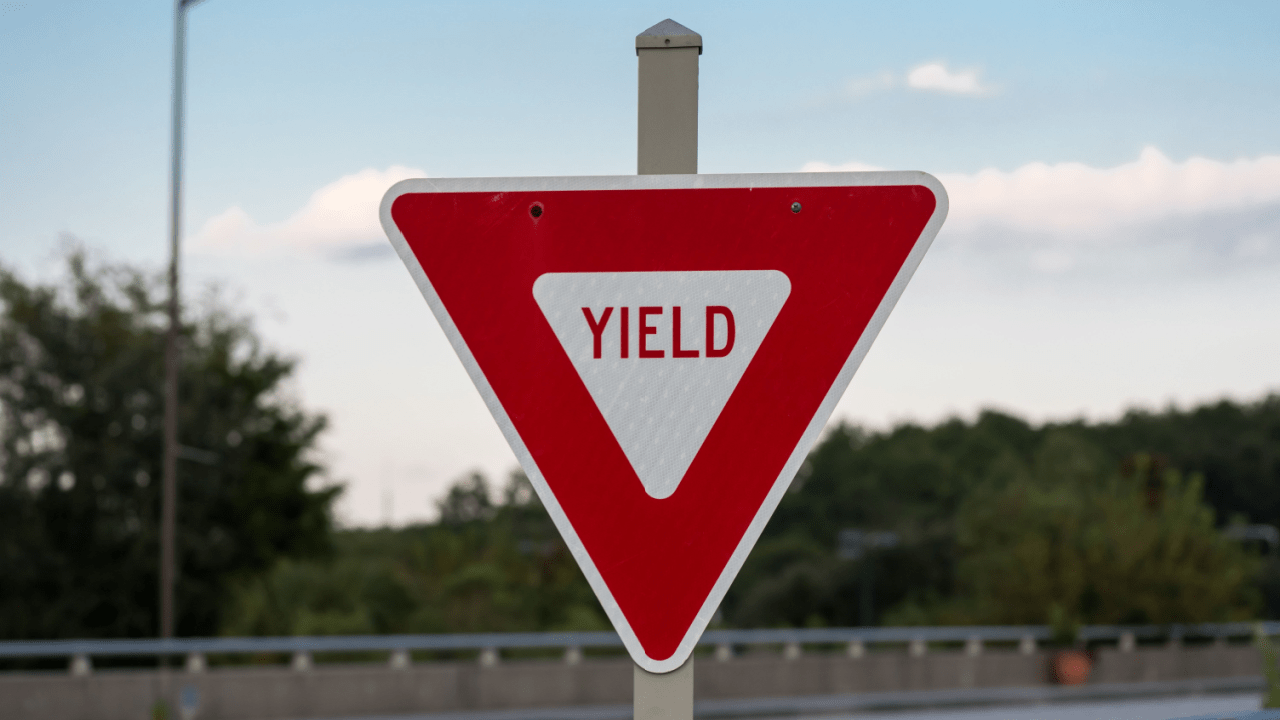
Legal Definition Explained: What Does Yield Mean in Terms of Traffic Laws
What does yield mean in terms of traffic laws is a question thousands of drivers ask after receiving citations. Yielding represents a fundamental traffic control principle requiring motorists to grant right-of-way to others in specific situations. The legal obligation extends beyond simply seeing a triangular red-and-white sign—it encompasses understanding priority rules at intersections, crosswalks, merges, and roundabouts. Failure to yield violations carry consequences ranging from fines exceeding $200 to points on your driving record, insurance rate increases, and potential liability in accidents. Understanding yield requirements, common violation scenarios, and available legal defenses empowers drivers facing citations. This guide provides comprehensive information about yield laws, penalties, and strategic options for fighting unjust tickets with professional legal representation.
Core Requirements: What Does Yield Mean in Terms of Traffic Laws
Understanding Right-of-Way Obligations
What does yield mean in terms of traffic laws fundamentally centers on right-of-way priority. The National Highway Traffic Safety Administration defines yielding as temporarily surrendering your legal right to proceed, allowing vehicles or pedestrians with priority to pass safely. This requirement applies at yield signs, uncontrolled intersections, when entering roadways from driveways, merging onto highways, and at pedestrian crosswalks.
State traffic codes establish specific yield scenarios. Drivers must yield when turning left across oncoming traffic, entering traffic circles, approaching emergency vehicles with activated lights, and when pedestrians occupy marked or unmarked crosswalks. The Manual on Uniform Traffic Control Devices standardizes yield sign placement and meaning across all states, ensuring consistent driver expectations nationwide.
Legal Standard for Yielding Compliance
Meeting yield requirements demands more than acknowledging the sign’s presence. Drivers must reduce speed sufficiently to assess conflicting traffic, stop completely if necessary to prevent collisions, and only proceed when safe gaps exist. Courts evaluate whether reasonable drivers would have yielded under identical circumstances when determining violation liability.
Common Violations: What Does Yield Mean in Terms of Traffic Laws
Failure to Yield Citations
Law enforcement issues yield violations when drivers fail to grant right-of-way as legally required. The most frequent scenarios include rolling through yield signs without adequately checking for traffic, turning left without yielding to oncoming vehicles, merging onto highways too aggressively, and failing to yield to pedestrians in crosswalks. Each state maintains specific statutes addressing these situations through state traffic laws that judges strictly interpret.
Intersection and Merge Zone Violations
Approximately 40% of failure-to-yield citations occur at intersections where drivers misjudge gaps in traffic or misunderstand priority rules. Yield violations at highway entrance ramps represent another common scenario, particularly when drivers attempt to merge without matching traffic speed or identifying safe entry points. These violations frequently result in accidents, escalating simple traffic tickets into cases involving injury liability and increased penalties.
Pedestrian Right-of-Way Violations
Failing to yield to pedestrians carries particularly severe consequences. Most jurisdictions impose higher fines and additional penalties when yield violations endanger walkers, cyclists, or individuals with disabilities. Many states have implemented enhanced penalties following pedestrian safety initiatives, with fines ranging from $250 to $500 for first offenses.
Penalties Explained: What Does Yield Mean in Terms of Traffic Laws
Financial and Administrative Consequences
Understanding what does yield mean in terms of traffic laws includes recognizing violation penalties. Standard failure-to-yield tickets carry base fines between $150 and $300, varying by state and specific circumstances. Courts add fees, surcharges, and assessments that typically double the total cost. Most states assign 2-4 points to driver records for yield violations, accumulating toward license suspension thresholds.
Insurance companies view yield violations as indicators of risky driving behavior. Expect premium increases of 15-30% for three to five years following conviction. Drivers with multiple violations face substantially higher insurance costs or policy cancellations.
Enhanced Penalties for Aggravated Violations
When yield violations cause accidents resulting in injuries or property damage, prosecutors may pursue reckless driving charges carrying significantly harsher penalties. These enhanced charges can include license suspension, mandatory traffic school, and even potential jail time in severe cases.
Defense Strategies: What Does Yield Mean in Terms of Traffic Laws
Common Legal Defenses
Experienced traffic attorneys successfully challenge yield violations using multiple strategies. Improper signage or obscured yield signs represent strong defenses—Federal Highway Administration standards mandate specific sign placement and visibility requirements. Officers’ vantage points, timing errors, and misidentification of vehicles provide additional defense angles.
Necessity defenses apply when drivers reasonably believed yielding would create greater danger, such as sudden stops on high-speed roads. Proving the other party failed to exercise due care despite having right-of-way can reduce or eliminate liability. Documentation through photographs, witness statements, and traffic camera footage strengthens these defenses considerably.
Value of Legal Representation
Attorneys negotiate reduced charges, minimize points, and pursue dismissals based on procedural errors or weak evidence. Many drivers successfully avoid conviction through strategic legal representation, preserving clean records and preventing insurance increases worth thousands of dollars over time.
Final Considerations: What Does Yield Mean in Terms of Traffic Laws
What does yield mean in terms of traffic laws encompasses both legal obligations and practical consequences affecting your driving record, finances, and insurance costs. Understanding when to yield, recognizing common violation scenarios, and knowing available legal defenses positions drivers to protect their rights effectively. Yield violations appear straightforward but often involve complex factual and legal questions determining case outcomes. Professional legal evaluation identifies weaknesses in prosecution cases and develops winning strategies tailored to specific circumstances.
What Does Yield Mean in Terms of Traffic Laws
Don’t accept yield violation consequences without exploring your legal options. Experienced traffic attorneys provide free consultations, evaluate your specific circumstances, and develop strategic defenses to fight citations effectively. For drivers facing yield tickets, visit TicketVoid’s free traffic ticket attorney consultation to connect with qualified legal professionals. Attorneys seeking exclusive yield violation cases can access high-quality leads through Legal Brand Marketing’s traffic ticket lead program.
Frequently Asked Questions
1. What does yield mean when driving?
Yielding means slowing or stopping to grant right-of-way to vehicles, pedestrians, or cyclists with traffic priority at intersections, merges, crosswalks, and designated yield zones.
2. How much does a failure to yield ticket cost?
Failure to yield fines range from $150 to $500 depending on state laws, specific circumstances, and whether the violation caused an accident or endangered pedestrians.
3. Can you fight a yield violation ticket?
Yes, attorneys successfully challenge yield tickets using defenses including improper signage, officer vantage point errors, necessity justifications, and procedural violations that warrant dismissal.
4. How many points is a yield violation?
Most states assign 2-4 points for failure to yield violations, though specific point values vary by jurisdiction and whether aggravating factors like accidents occurred.
5. Do yield violations increase insurance rates?
Yes, yield violations typically increase insurance premiums by 15-30% for three to five years following conviction, costing drivers significantly more than the original ticket fine.
Key Takeaways
- Yielding legally requires slowing, stopping if necessary, and granting right-of-way to traffic with priority under specific circumstances defined by state traffic codes.
- Failure to yield violations carry fines of $150-$500, add 2-4 license points, and increase insurance premiums by 15-30% for multiple years.
- Common yield violations occur at intersections, highway merges, pedestrian crosswalks, and when turning left across oncoming traffic without adequate gaps.
- Strong legal defenses include improper signage, obscured visibility, officer errors, and necessity justifications that experienced traffic attorneys successfully argue in court.
- Professional legal representation often reduces charges, minimizes points, or achieves dismissals, saving drivers thousands in long-term insurance costs and protecting driving records.
Recent Posts
-
State DUI Law Variations: Complete Jurisdiction Comparison Guide for BAC Standards, Penalties, and Defense Strategies
-
Which State Laws Impose the Toughest Penalties for Felony DUI and How to Defend Your Case
-
Are Repeat DUIs Treated as Felonies Under State Law and What This Means for Your Defense
-
What Makes a DUI a Felony Under State Law and How to Defend Against Escalated Charges
-
Which States Classify Certain DUIs as Felonies and What Defense Options Exist